Skip to content

Knowledge base – page 11

Ben RobertsKnowledge base

Know the fees charged by crypto exchanges in Singapore

In this article, we’ll examine fee structures, the reasons they are charged, and factors that can impact the final price of your transaction. When do cryptocurrency exchanges charge a fee? As with your regular bank account, fees can apply to specific transactions within a cryptocurrency exchange. Cash (fiat) deposits Most exchanges in Singapore accept Singapore […]


How do crypto exchanges work

Ben RobertsKnowledge base

How do crypto exchanges work?

Cryptocurrency exchanges are platforms where users can trade digital assets like Bitcoin, Ethereum, and many others. Similar to a traditional stock exchange, crypto exchanges offer a marketplace where users can buy, sell, swap and participate in advanced investment strategies.

How to deposit USD and NZD using SWIFT

Ben RobertsKnowledge base

How to deposit NZD and USD using SWIFT

Independent Reserve allows you to deposit NZD and USD using SWIFT. Processing times are typically between 1 and 2 days. USD deposits under $5,000 will incur a fee of USD 15, and NZD deposits under $5,000 will incur a fee of NZD 15. View our fees page for more information.

what-is-my-crypto-wallet-address

Ben RobertsKnowledge base

What is my crypto wallet address?

A crypto wallet address is a digital location, made up of a combination of numbers and letters, that are used for sending and receiving cryptocurrency transactions. Like an email address or bank account number, this functions as a place of receipt for funds as well as an identifier tag when sending funds across. “Public key” and “public address” are names that are also used to refer to wallet addresses. There are no security vulnerabilities when sharing your Public keys.

Which network are Independent Reserve’s tokens on?

Ben RobertsKnowledge base

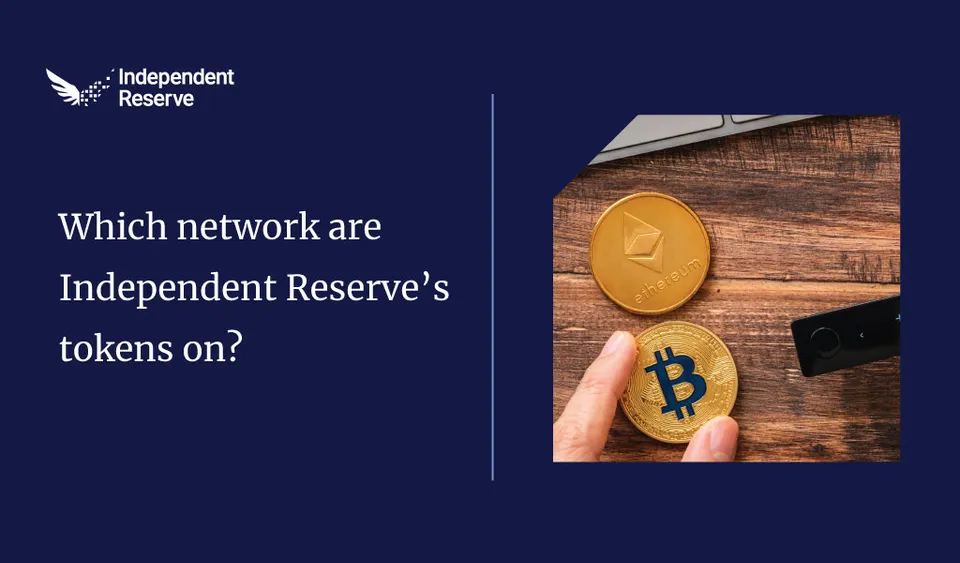
Which network are Independent Reserve’s tokens on?

For many of the most popular crypto tokens on the market, they can exist on a number of blockchains thanks to bridging, wrapping, or the token providing liquidity on an alternative network. Examples include USDT (available on 14 blockchains/protocols) and USDC (available on 16 blockchains/protocols).

Understanding order book

Ben RobertsKnowledge base

Understanding order books on crypto exchanges

An order book is a ledger that contains all pending orders for a particular cryptocurrency. These orders are divided into two main categories: buy orders, which show the prices at which traders are willing to purchase the asset, and sell orders, representing the prices at which sellers are ready to part with their crypto.

Bitcoin halving rewards over time

Ben RobertsKnowledge base

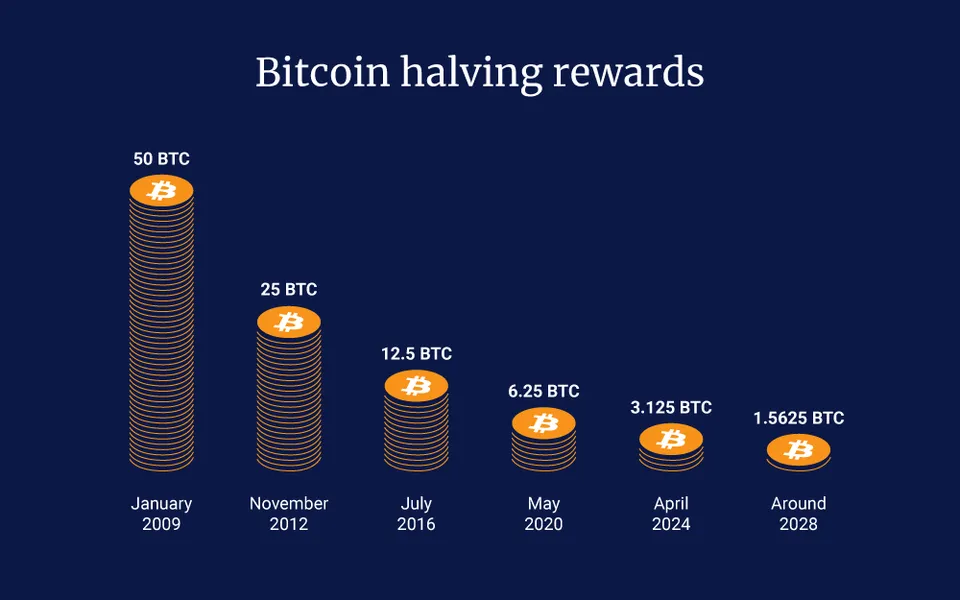
The 2024 Bitcoin halving – Everything you need to know

The latest Bitcoin halving event is right around the corner, and if history and the opinions of many analysts are anything to go by, we could be in for a massive increase in the price of the digital asset. Despite this, many are warning that this time will be different, with all-time high prices realised pre-halving for the first time in history.

How to deposit and withdraw cryptocurrency on Independent Reserve using an external crypto wallet

Ben RobertsKnowledge base

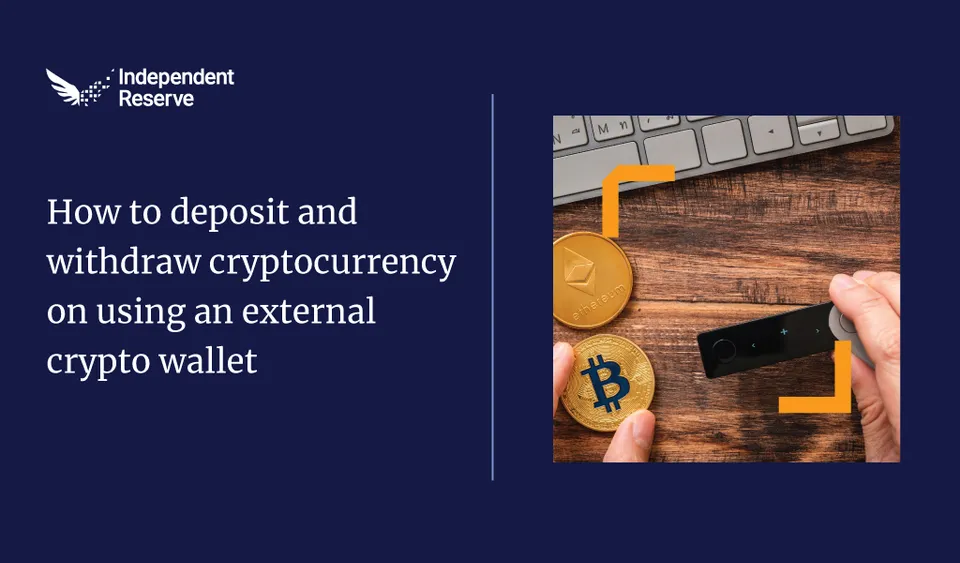
How to deposit and withdraw cryptocurrency on Independent Reserve using an external crypto wallet

Since January 2020, the Monetary Authority of Singapore (MAS) has enforced the crypto travel rule aimed at preventing money laundering and countering terrorism financing in the Digital Payment Token services sector. The crypto travel rule in Singapore is a global recommendation made by the Financial Action Task Force and implemented in Singapore through MAS’ Notice PSN02 and was further specified by MAS' Guidelines to Notice PSN02. The Notice outlines the responsibilities of Virtual Asset Service Providers (VASPs), such as Independent Reserve, when handling clients' crypto transactions.