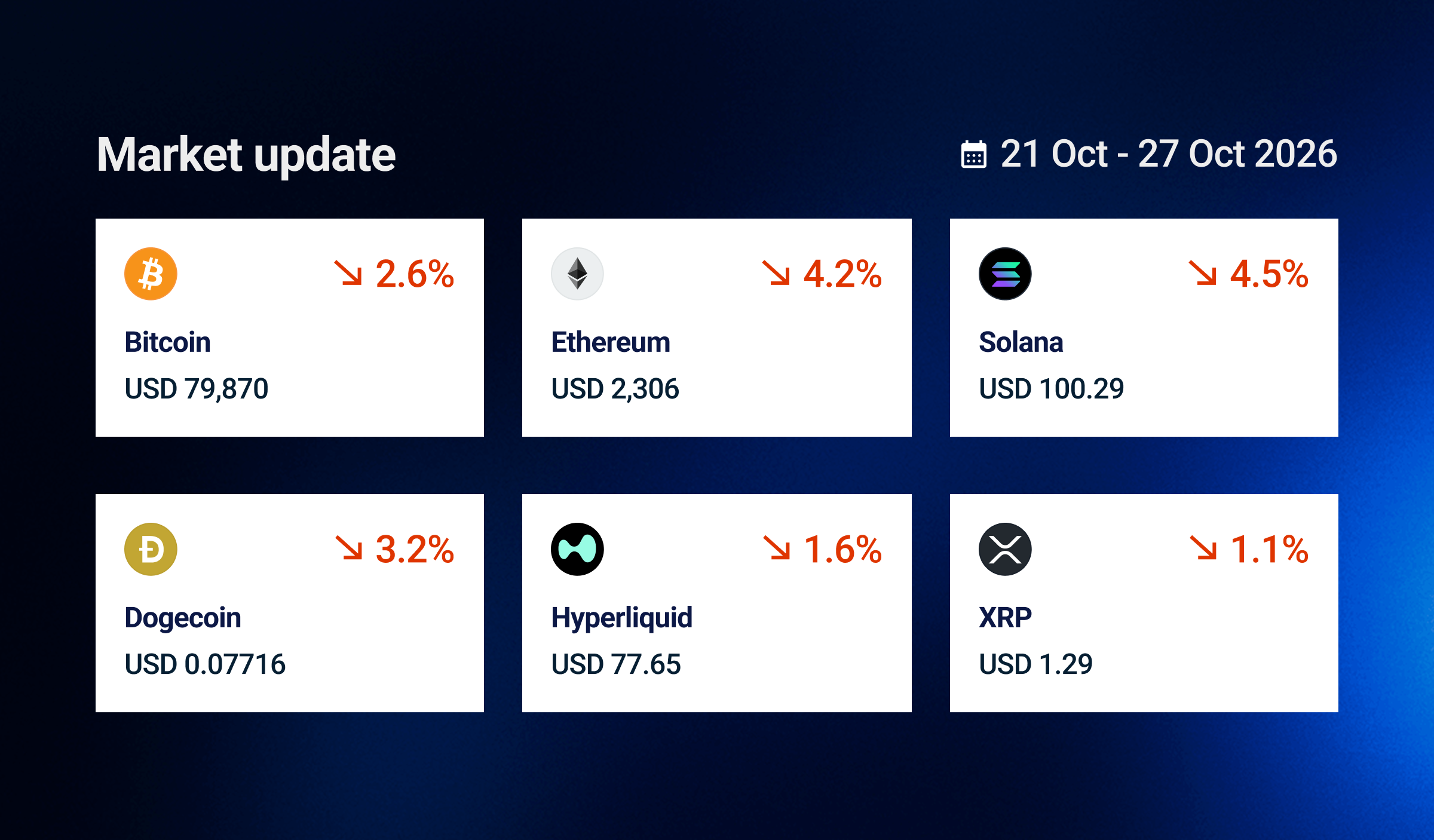
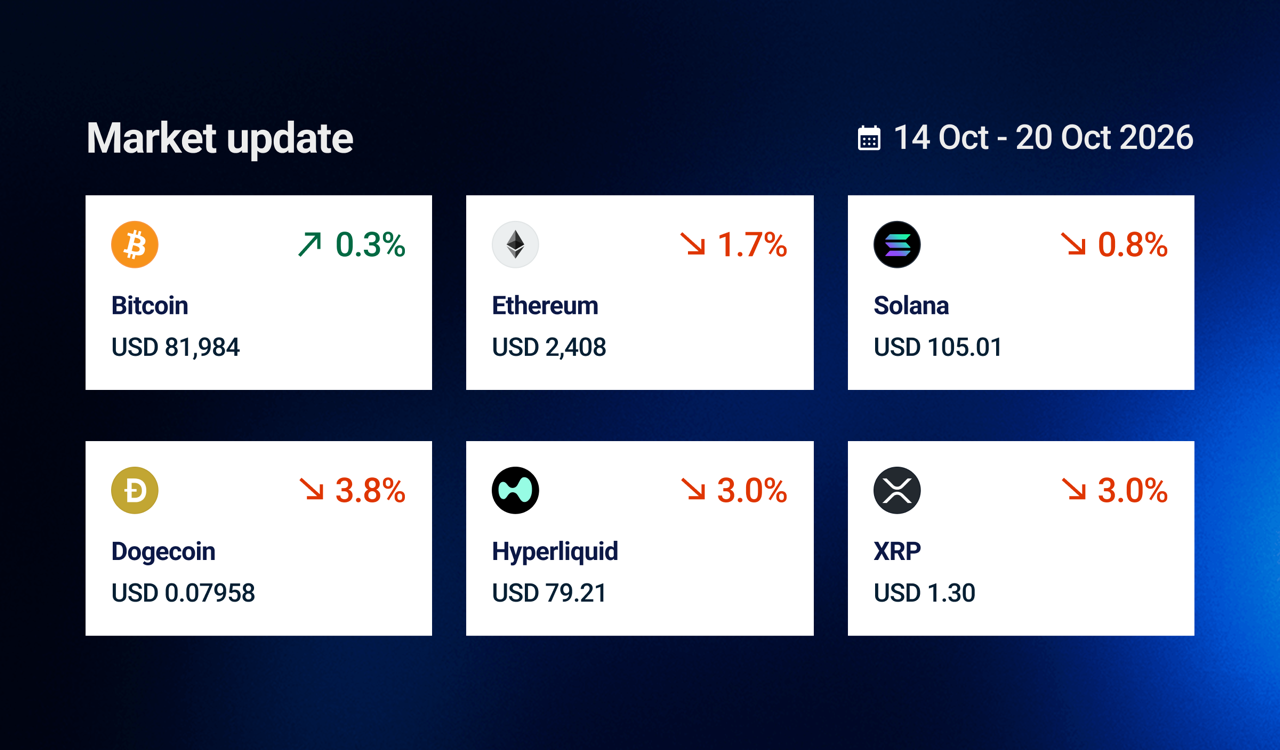
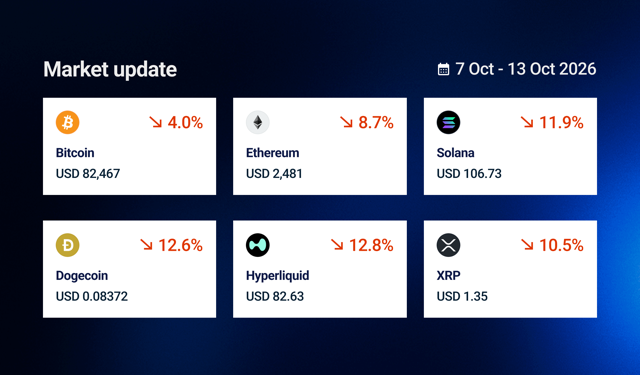
Market insights With an escalation of the Iran-US conflict looking increasingly likely, Bitcoin took a dive below the US$80K mark […]
We’re pleased to share that Independent Reserve has been named a finalist for six awards at this year’s Digis, the […]
AI-powered news, built into the IR app Telescope.ai, Independent Reserve’s AI-powered feature, is now available to all customers. It delivers […]
If you’re paying suppliers, manufacturers or employees in Vietnam, this often means a slow international bank transfer, unclear fees and […]
If you’re paying suppliers, manufacturers or employees in the Philippines, this often means a slow international bank transfer, unclear fees […]
If you’re paying suppliers, manufacturers or employees in Thailand, this often means a slow international bank transfer, unclear fees and […]
If you’re paying suppliers, manufacturers or employees in South Korea, this often means a slow international bank transfer, unclear fees […]
If you’re paying suppliers, manufacturers or employees in Malaysia, this often means a slow international bank transfer, unclear fees and […]
If you’re paying suppliers, manufacturers or employees in Indonesia, this often means a slow international bank transfer, unclear fees and […]
If you’re paying suppliers, manufacturers or employees in India, this often means a slow international bank transfer, unclear fees and […]
If you’re paying suppliers, manufacturers or employees in Hong Kong, this often means a slow international bank transfer, unclear fees […]
If you’re paying suppliers, manufacturers or employees in China, this often means a slow international bank transfer, unclear fees and […]


 Read report
 Australian Independent Reserve
 Read report
Australian Independent Reserve
Read report
Australian Independent Reserve