In markets
There was a renewed sense of optimism in crypto markets this week. Bitcoin rose 10% in the month to date, marking the best July in four years, and the Bitcoin ETFs snapped an eight-week outflow streak, taking US$197 million, while the Ethereum ETFs took US$84.42 million.
But storm clouds have also appeared, with the US Federal Open Market Committee’s meeting minutes discussing elevated inflation levels, and bond rates in Japan hit 30-year highs.
The US/Iran war has officially restarted, posing a threat to the global economy in the months ahead. Oil prices surged 9% after President Trump announced the US is reimposing the blockade and will charge its own 20% toll.
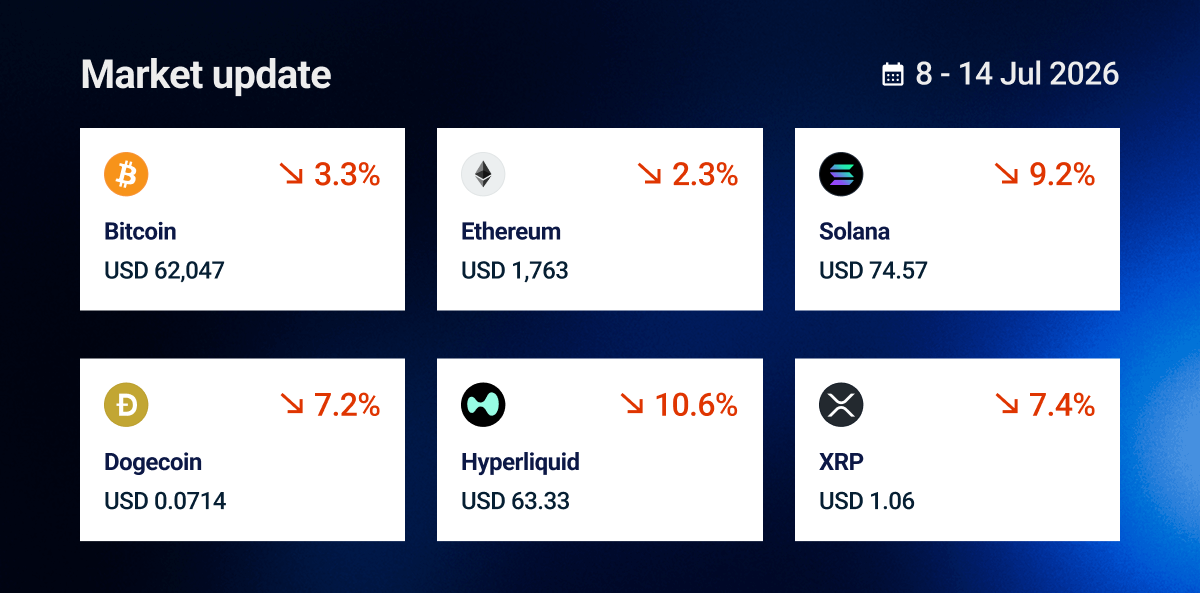
Bitcoin poked its head above US$64,000 a number of times, but had eased back to US$62,047 at the time of writing, to finish the week with a 3.3% fall.
Excitement around Robinhood Chain helped Ethereum post a smaller weekly loss, with ETH down 2.3% and trading around US$1,763. Open interest for Hyperliquid’s RWAs climbed to a record $3.6 billion, but HYPE itself fell 10.6% for the week. Solana lost 9.2%, XRP (-7.4%) and Dogecoin (-7.2%). The Crypto Fear and Greed Index is at 22, or Fear.
New token listing
AUDX, an Australian dollar stablecoin backed 1:1 by cash and government-backed assets, is now available to trade on Independent Reserve.

From the OTC desk
Bitcoin is working overtime to hold the line
Despite renewed geopolitical pressure, Bitcoin remains above US$60,000. Iran’s closure of the Strait of Hormuz has pushed oil prices slightly higher, adding another layer of uncertainty to an already fragile macro environment. Liquidity conditions beneath the surface are less encouraging. Stablecoin supply is beginning to contract, partly due to MiCA regulations and partly as a broader signal of investors reducing risk. U.S. spot Bitcoin ETFs also recorded approximately US$70 million in net outflows over the past week. Although this marked an improvement from the heavier outflows seen previously, institutional demand has yet to return convincingly.
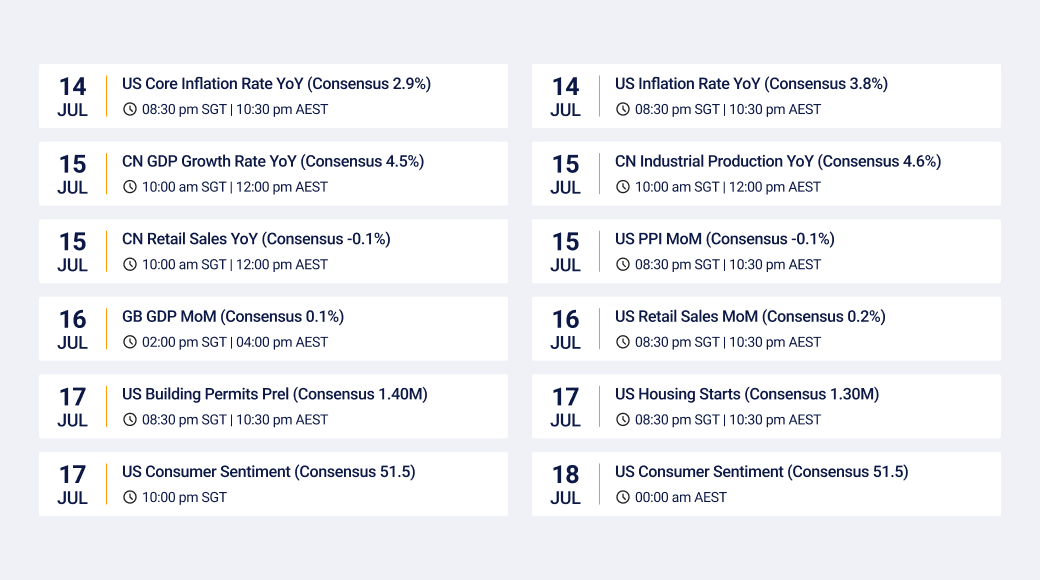
Pressure is also building among Bitcoin treasury companies. Strategy’s market net asset value has fallen back toward parity, reducing its ability to issue shares at a premium to fund further Bitcoin purchases. Alongside this MNAV crush is also the summer volatility crush, and options are pricing in only a possible recovery in September. The market’s immediate focus now turns to this week’s inflation data. Consensus expectations point to a modest monthly CPI decline of 0.1%, compared with the previous reading of an increase of 0.5%. A softer-than-expected print could reduce the likelihood of rate hikes and ease pressure on risk assets, providing a short-term lift to Bitcoin. However, the direction of energy prices remains an important variable: any sustained renewed oil spike could complicate the disinflation narrative and keep central banks cautious.
For now, Bitcoin is holding the line against weakening liquidity, softer institutional demand and an increasingly fragile macro environment. A positive CPI surprise to the downside could be enough to trigger a short-term rebound through the end of July, but anything further out will require a more durable recovery, such as sustained ETF inflows, stablecoin growth, and the return of treasury- and company-related demand.
OTC desk activity
- Light Bitcoin spot buying is happening through the week
- Tether trading less at a discount, with flows favouring off-rampers
Key economic calendar events
In headlines
Robinhood Chain takes off
The two-week-old Robinhood Chain has been one of the most successful crypto launches this cycle. A memecoin frenzy drove its 24-hour DEX volume to US$893.8 million on Sunday, second only to Solana. L2s don’t generate many fees for Ethereum, but there’s speculation that Robinhood’s 27 million users could help provide demand for ETH itself. More than US$141 million in ETH has already been bridged to the chain. Memecoin influencer Ansem wrote: “Lighter and Robinhood L2s are sneakily best setup for an ETH bull thesis in a very long time.” Solana memecoins and DEXs were among the biggest losers in the top 100 this week, with Bonk down 19%, Jupiter down 18%, and Pump.fun down 12%.
CLARITY clock is ticking
An updated version of the CLARITY Act is expected this week, combining the two committee versions and 70 pages of additional text. Ethics provisions aimed at Trump remain the sticking point, with Republicans unlikely to secure the 7 Democratic votes they need without a deal on the issue. However, the tide may be turning on developer protections, with US Democratic Senator Ron Wyden pushing his colleagues to support the BRCA section, and the Federal Law Enforcement Officers Association endorsing the bill. In related news, five senators have called for hearings into Trump’s crypto dealings, and a ban on CBDCs has become law.
SEC presses on with crypto regulation
The US SEC will unveil its “Regulation Crypto” roadmap this month. The regulations address three main areas:
- crypto broker-dealers,
- listings on trading platforms and national securities exchanges,
- and safe-harbour provisions for token issuers.
It’s facing some pushback on its plans, with the Securities Transfer Association urging the SEC to create rules that discourage third-party securities tokens.
Circle becomes a bank
USDC issuer Circle has received final approval to operate a national trust bank, Circle National Trust. It will provide custody services for Circle and later expand them to institutions such as banks and derivative firms.
ANZ will use Swift’s blockchain ledger
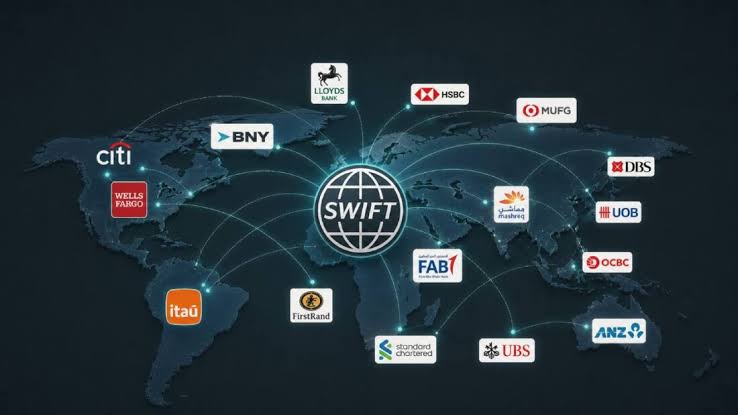
Global interbank messaging network Swift announced its blockchain-based ledger is ready to launch. Seventeen major banks, including ANZ, HSBC, Citi, BNP Paribas, UBS, DBS and Standard Chartered, will pilot cross-border payments using tokenised bank deposits on the network.
Singapore’s position as Asia’s financial and wealth hub
Singapore saw a busy week across enforcement, regulation and wealth. Local agencies supported Interpol’s global anti-fraud operation, while the Singapore Police Force and crypto exchanges, including Independent Reserve, stopped over 130 scam victims from losing more than $2.9 million.
The MAS proposed widening retail access to fund products, while HSBC said the SGX-Nasdaq bridge could strengthen Singapore’s status as a financial hub.
Singapore remained the world’s most expensive place for high-net-worth individuals. Temasek ruled out crypto investments in favour of blockchain infrastructure, while Singapore-based Bitdeer announced a US$36 million facility in Nevada to produce its SEALMINER Bitcoin mining machines and expand its hardware business.
HSBC’s blockchain moves in Hong Kong
HSBC has completed the private placement of a “digitally native” USD-denominated note issued directly on a blockchain in Hong Kong. Marketnode acted as the tokenisation agent, and the placement was built on earlier work conducted under Singapore’s Project Guardian. The Hong Kong Securities and Futures Commission this week issued new requirements for crypto platforms and brokerages to implement phishing-resistant authentication methods.
Korean stablecoins
The Bank of Korea is doubling down on its campaign to ensure that local stablecoins are issued first by banking consortia. Governor Shin Hyun-song told parliament on July 9 that South Korea should introduce a won stablecoin system as soon as possible. Korean car company Hyundai has set up its own internal cross-border remittance system using stablecoins on the Avalanche blockchain. It’s been tested with USD and USDT transfers between the firm’s Mexican and US entities.
Japan’s crypto ETFs and credit
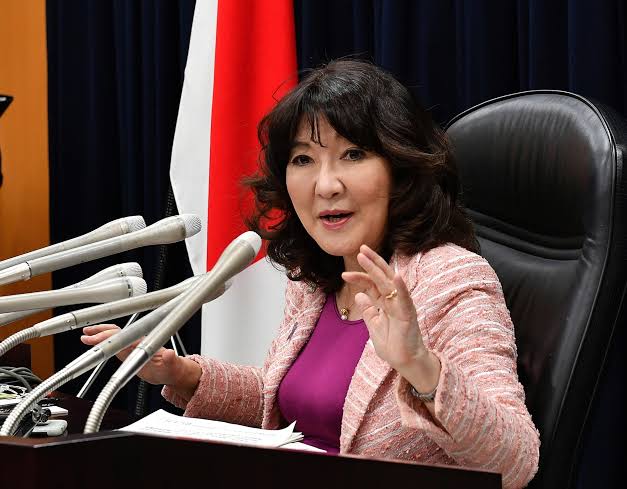
Japanese Finance Minister Satsuki Katayama has confirmed the government is on track to legalise crypto ETFs in the country. The House of Representatives recently passed amendments to the Financial Instruments and Exchange Act to incorporate crypto assets. In other news from Japan, a local firm called CRYL has launched Bitcoin-backed mortgage services, and BTC treasury firm Metaplanet is also studying Bitcoin-backed digital credit products. Japanese asset giant SBIT Holdings has rebranded a division as SBI Solana Global and partnered with the Solana Foundation to launch RWAs, payments and cross-border settlements on the chain.
Even more crypto news from Asia
Malaysian authorities seized more than 75,000 cryptocurrency mining rigs between 2022 and May 2026. The Reserve Bank of India has recommended prohibiting banks and financial institutions from holding or trading crypto or stablecoins. Thailand’s central bank and SEC have launched audits into suspicious stablecoin transactions and announced new rules requiring individuals depositing more than 5 million baht (US$150K) to verify the source of their funds.
The Moonshot Dispatch
Join us every Tuesday at 1:00 PM / 3:00 PM (SGT / AEST) as we cover the latest crypto news, price movements and all the Bitcoin banter you may have missed. Tune in weekly on Twitter/X, YouTube, Instagram & TikTok.
Until next week, happy trading!