IRCI Singapore highlights and key stats
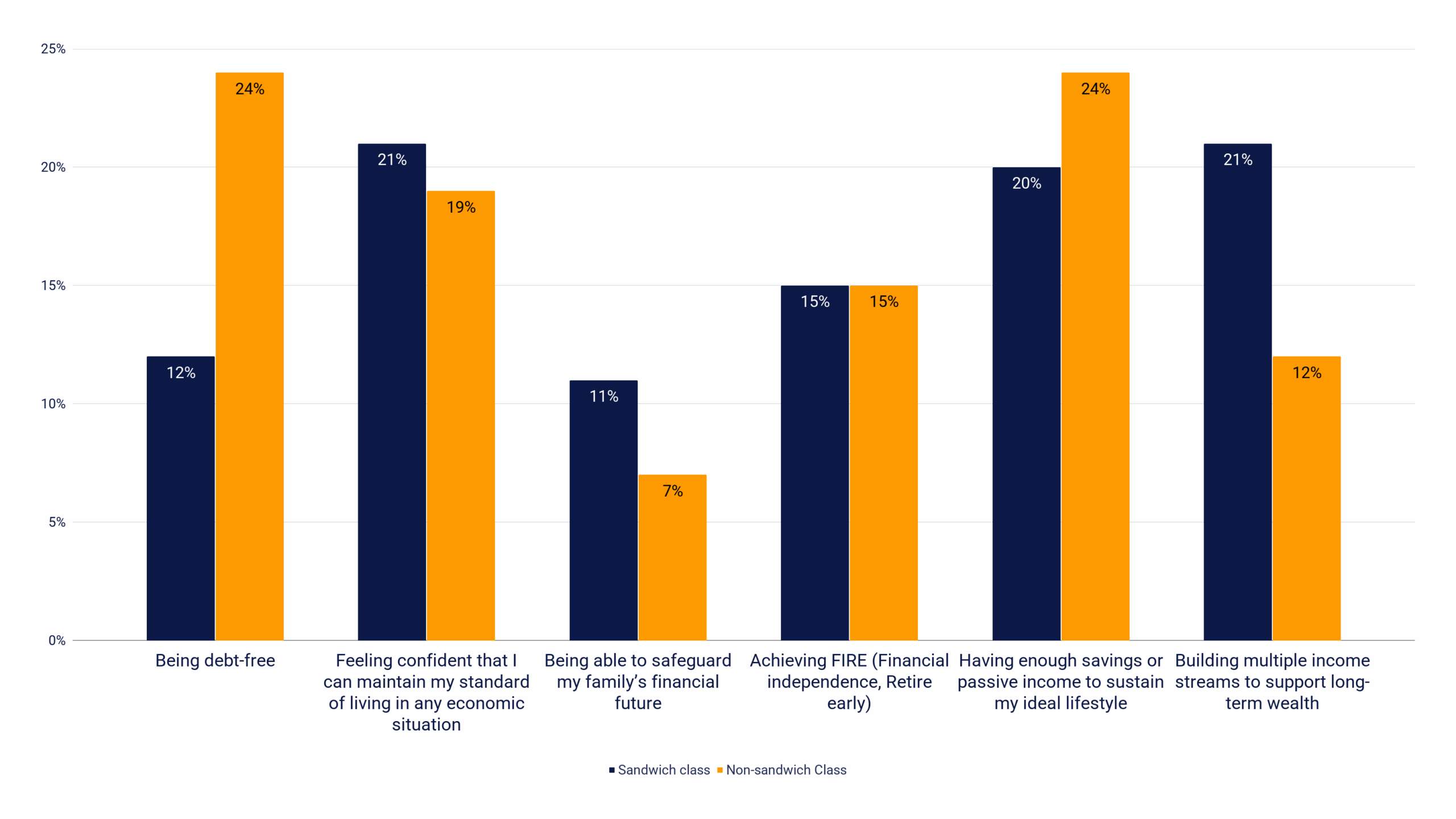
- 21% of Singaporeans in the sandwich class believe financial success is about maintaining their standard of living in any economic climate
- 50% of the sandwich class views investing as key to building and sustaining long-term wealth
- 1 in 3 sandwich class crypto investors invest S$501 to S$1,000 monthly
- 80% of the sandwich class investors hold Bitcoin in their crypto portfolio
- 48% of the sandwich class investors have held crypto assets for at least 3 years
- 57% of sandwich class investors allocate at least $500 to crypto every month
- 65% of the sandwich class investors sold crypto in the past 12 months
About IRCI 2026 (Singapore)
In its sixth year, the Independent Reserve Cryptocurrency Index Singapore (IRCI) 2026 is an annual cross-sectional survey of over 1,500 Singaporeans conducted by Milieu Insight Market Research. The research is a sample of everyday Singaporeans, designed to reflect the gender, age, and personal income of the nation. The survey was conducted between late January and early February 2026.
The index is a single rating out of 100 designed to reflect four key aspects of Singapore’s attitude towards cryptocurrency:
- Awareness
- Adoption
- Trust
- Confidence
A score of 100 would indicate that all Singaporeans are aware of, hold, and trust crypto and have a positive outlook on its future.
The Index moved from 43 in 2025 to 42 in 2026.
This year’s slight decline suggests a market transitioning from hype-driven growth to measured, experience-led participation. Overall awareness remains high at 86%, but has declined year-on-year, likely driven by reduced retail hype cycles.
While adoption remains stable (~1 in 3 Singaporeans), there are signs that investors are allocating conservatively and prioritising diversification. Trust expectations continue to rise, and the confidence gap between crypto investors and non-investors persists.
In addition to the four core pillars, this year’s report focuses on the sandwich class: economically and socially influential investors whose disciplined approach and long-term commitment give them an outsized impact on adoption and capital flows.
Download the IRCI 2026 report
View all the key insights in this year’s 44-page report.
Who is the “sandwich class”?
The “sandwich class” are middle-income households facing financial pressure from supporting both ageing parents and growing children, skewed towards the Older Millennials and Gen X cohorts (35-54 years old). Typically, they earn too much to qualify for government subsidies. Defined by mounting cost-of-living pressures and limited access to public support, this segment has too much at stake, too little margin for error, and never quite enough time to do it all.
The Singapore Dream
With the modern Singapore Dream moving beyond material wealth and luxury toward more fundamental priorities, more than 20% of the sandwich class define financial success as maintaining their standard of living in any economic climate. Similarly, 1 in 5 emphasise having sufficient savings and multiple income streams to sustain their lifestyle and build long-term wealth.
Definition of financial success: Sandwich vs non-sandwich class
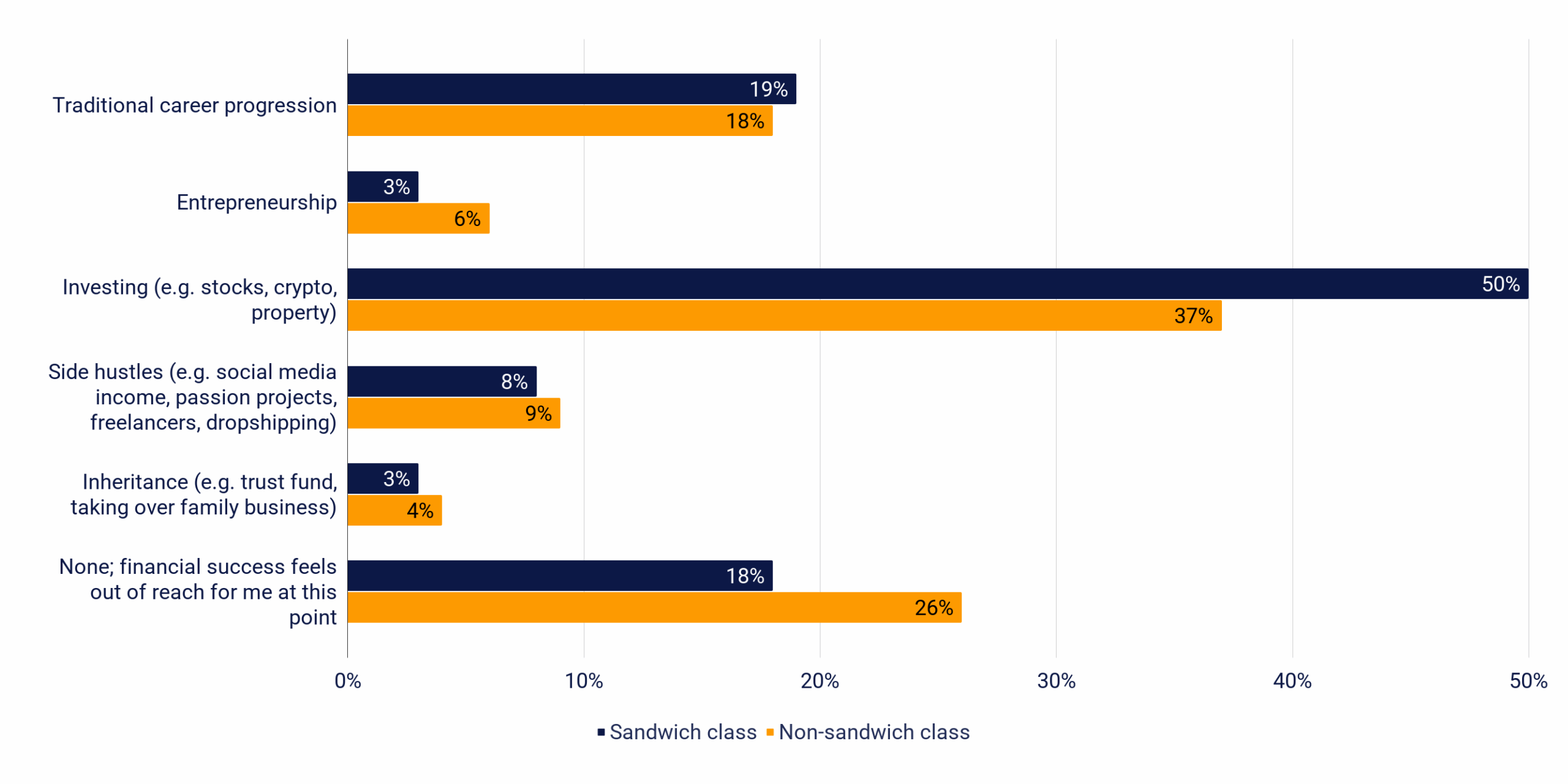
Only a small proportion of the sandwich class rely on traditional career progression (19%), while others look to entrepreneurship (3%), side hustles (8%), or inheritance (3%). By contrast, investing stands out as the most popular path, with half (50%) viewing it as key to building and sustaining long-term wealth.
Compared to the broader population, sandwich class respondents are less focused on being debt-free (12% vs 24%) and more focused on building income and assets. They are more likely to prioritise multiple income streams (21% vs 12%) and investing as a route to financial success (50% vs 37%).
Routes to financial success: Sandwich vs non-sandwich class
How the sandwich class allocates
35% of the sandwich class allocate less than 5% of their portfolio to crypto, compared to 50% for the population. 27% allocate 11–20%, nearly double the general population (15%). Their monthly allocations remain relatively modest, where 33% invest S$501 to S$1,000 monthly. However, they buy crypto more regularly: 49% invest in crypto on a dollar-cost-average basis, compared to 29% overall.
The core of sandwich class investors’ crypto portfolios is Bitcoin (80%) and Ethereum (56%), though they diversify into other assets such as Solana (26%) and stablecoins (30%). Meanwhile, memecoins remain secondary, and newer tokens see limited adoption, pointing to a more cautious, maturing investor base.
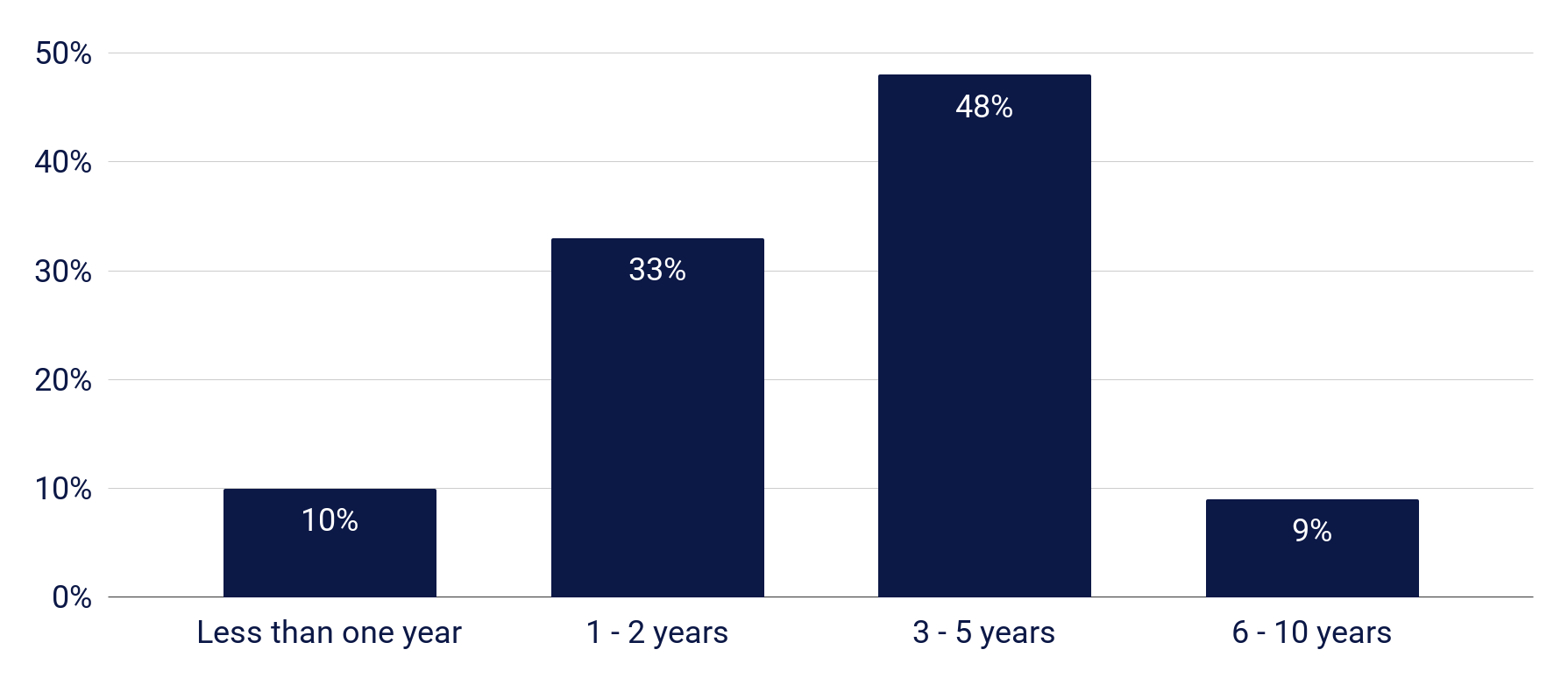
Most of them have some crypto experience, with 48% holding assets for 3–5 years, and 33% for 1–2 years. Only 10% are new entrants (less than one year), while another 9% have held for 6–10 years.
Sandwich class participation in crypto in years
More informed, more invested
Sandwich class respondents hold higher levels of crypto (42% vs 32% overall), and are more active in the market, with around 65% having sold crypto in the past 12 months (vs 44% overall).
They also show ownership rates well above the national average across all major crypto assets: Bitcoin (80% vs 67%), Ethereum (56% vs 46%), and altcoins like Solana (26% vs 19%). Stablecoin adoption is also notably higher (30% vs 18%), indicating greater use of crypto for liquidity and capital management.
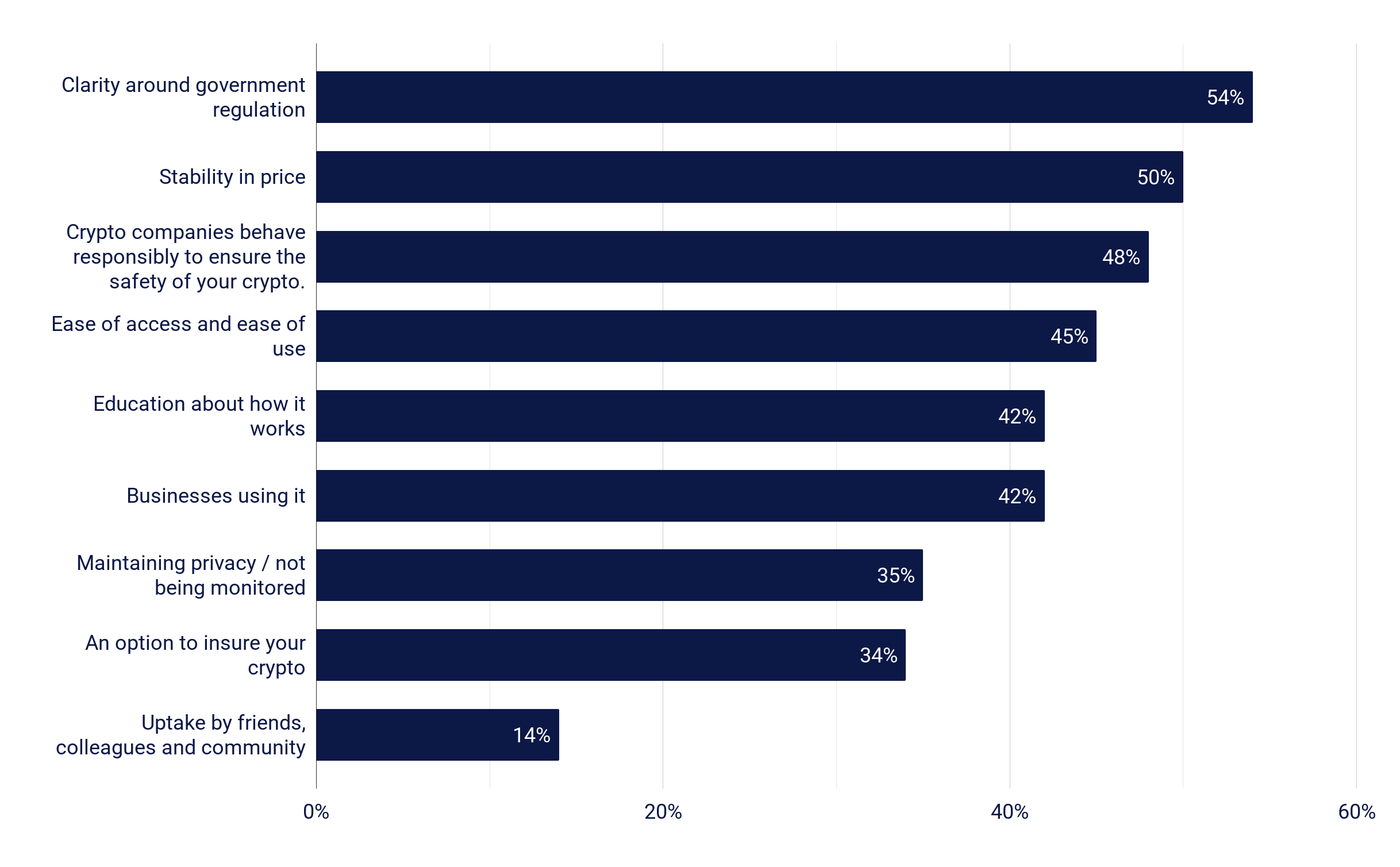
There is seemingly a strong demand for structure and accountability, with their trust in crypto shaped less by hype and more by clarity around government regulation (54%), followed closely by price stability (50%) and responsible behaviour from crypto companies (48%).
At the same time, practical factors matter: ease of use (45%) and education (42%) highlight the need for better user experience and understanding, while real-world adoption by businesses (42%) reinforces the importance of utility. This points to a more mature user profile, where crypto is not just an investment but part of a broader financial system.
What the sandwich class seeks before investing in crypto
Sandwich class investors also show a stronger belief in crypto as a tool for long-term wealth building: among all crypto investors, they are more likely to view crypto as important to long-term wealth (77% vs 59%) and to believe it can outperform traditional assets (28% vs 17%).
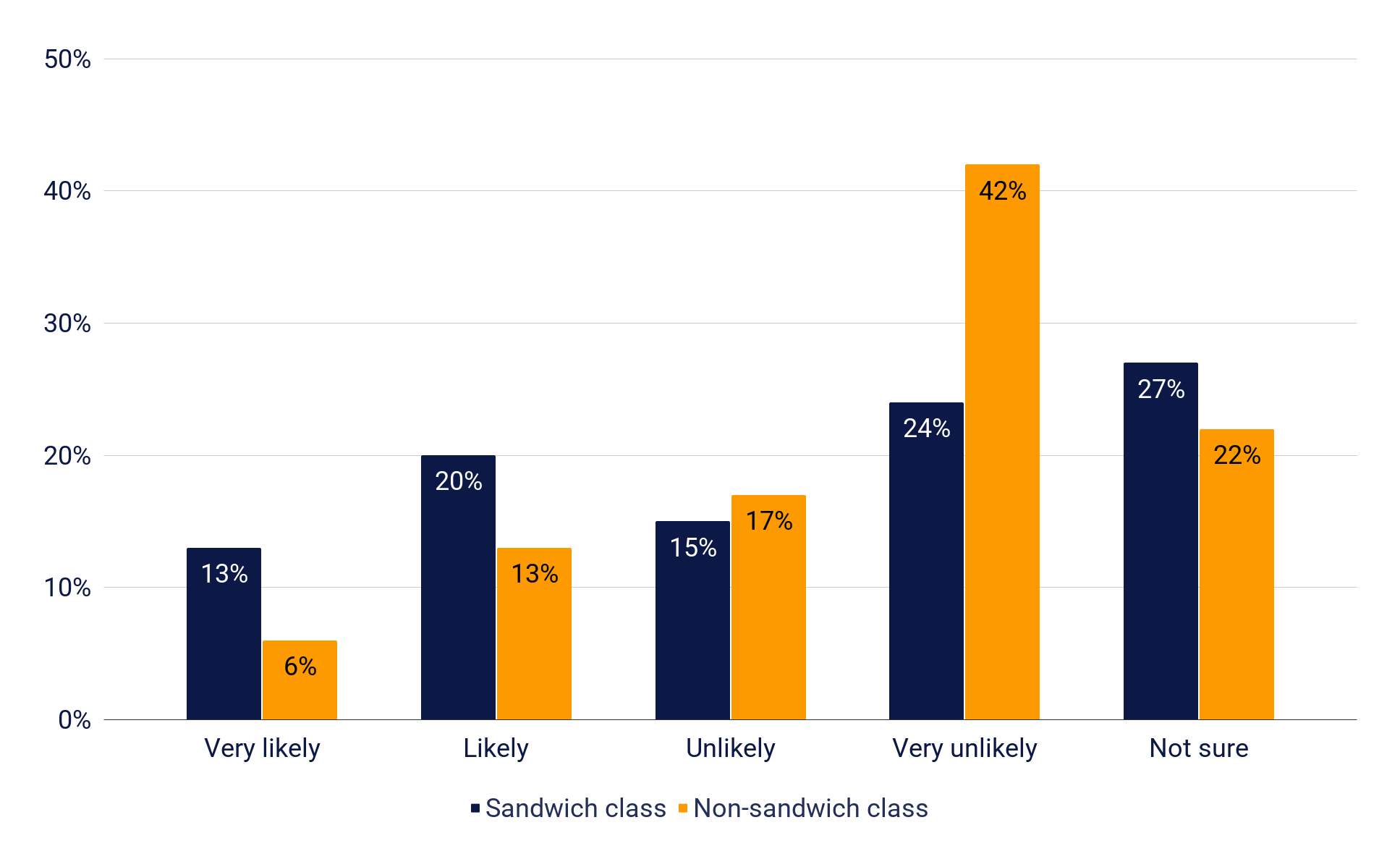
Likelihood of investing in crypto in the next 12 months