In markets
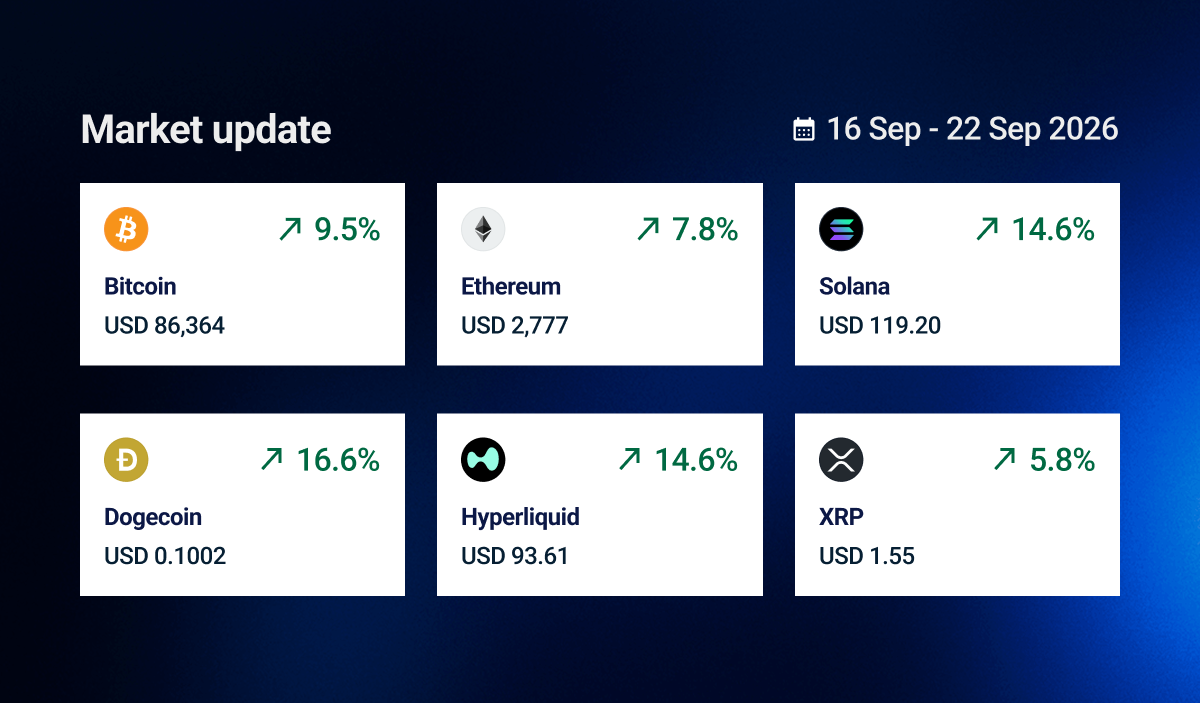
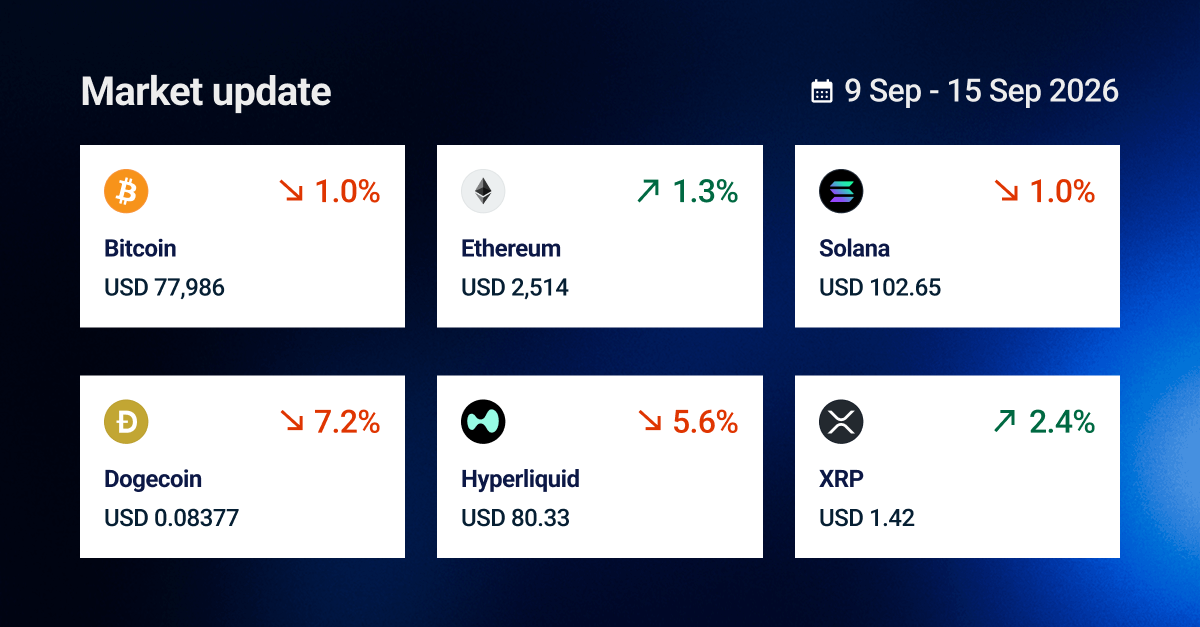
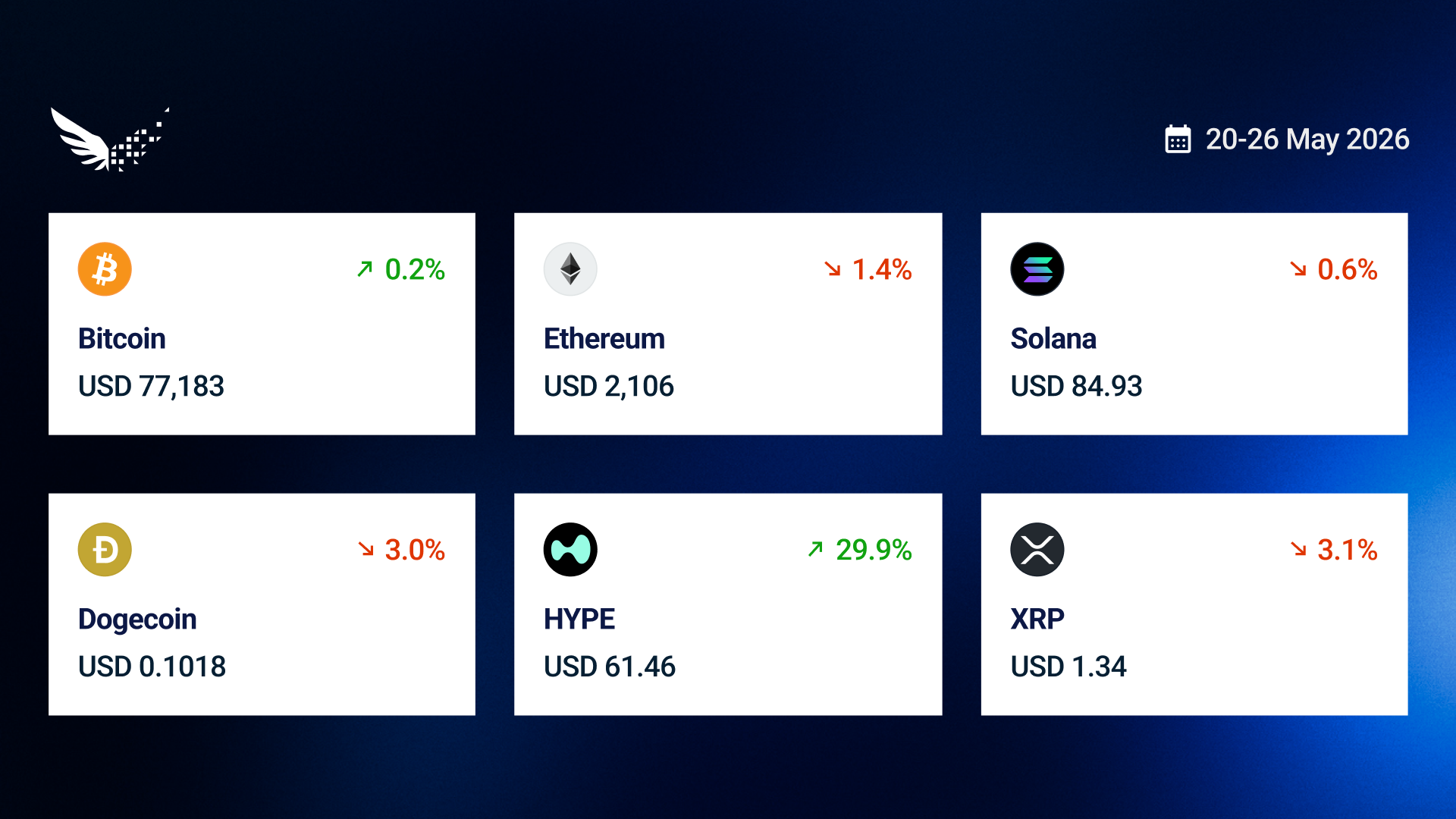
With sentiment and transaction volumes tanking, Bitcoin fell to A$104.1K/A$74.2K over the weekend, before taking the express elevator back up to A$108K/US$77K on hopes of a peace deal between the US and Iran.
We’ve been here before, though, and the agreement still only has a 36% chance on Polymarket of being finalised this month.
The spot Bitcoin ETFs shed A$1.75B/US$1.26 billion in outflows last week, and the Ether ETFs racked up ten straight days of outflows. CryptoQuant reports Bitcoin demand has fallen to its most bearish level this year, but Glassnode sees signs of “stabilisation” and notes long exposure is increasing. Cycle theory proponents warn of a fall to A$75K/US$54K, with at least three months of bear market left. Bitcoin ended the week flat at A$108,058 (US$77,183).
The ETH bears grew louder this week, but Ether only dropped 1.5% to trade around A$2,948 (US$ 2,106). XRP transactions over A$/1.4M/US$1M fell by 57% in the past week, and the price eased by 3.1%. Solana was flat, Dogecoin fell 3%, and a debate over Cardano’s valuation sent its price down 3.4%. The Crypto Fear and Greed Index is at 34, or Fear.
From the OTC desk
Smaller ambitions, bigger chances: The pragmatic push for a US Bitcoin Reserve
A new bipartisan bill has been introduced in the US House of Representatives to establish a formal Strategic Bitcoin Reserve for the government. Dubbed ARMA (the American Reserve Modernisation Act of 2026), the bill takes a notably more conservative approach than its predecessor, dropping the ambitious target of purchasing one million Bitcoin in favour of a 20-year lockup on existing holdings and budget-neutral plans to fund future accumulation.
Current estimates place US government crypto holdings at approximately US$26 billion, comprising mostly Bitcoin, Ether, and USDT. While this remains early-stage legislation with a long road ahead before becoming law, the more measured approach is likely to be welcomed by Bitcoin bulls, who will see it as a more politically viable path forward.
Maturing asset or coiled spring? Decoding Bitcoin’s volatility signal
Bitcoin volatility has fallen to an eight-month low, with implied volatility plunging to multi-month lows, signalling that traders are anticipating further price consolidation. Bitcoin implied volatility in the options market has dropped to 36%, down sharply from the 55-60% range seen in January and February. Options positioning continues to favour the downside, putting trading at a 14% premium to calls.
There are two ways to interpret this. The first is structural: as institutional adoption grows, Bitcoin may simply be maturing into a less volatile asset class, a shift that could explain the comparatively muted cycle high of US$126K in 2025 relative to prior cycles. The second is tactical: with the market heavily positioned to the short side, volatility could mean-revert sharply, setting the stage for an upside short squeeze.
OTC desk activity
- Seeing profit- taking and more selling interest as the rally loses momentum
- Seeing increased sell flows in stablecoins
Key Economic Calendar Events (AEST)

In headlines
Ethereum bearishness intensifies
Back in April, Santiment reported there were two bullish comments about ETH for every negative one, but that ratio has decreased to 1:1 this month. Ether’s price is down 9% in the past 30 days. The big catalyst was high-profile departures from the Ethereum Foundation (EF), and the capitulation of former ETH bull and Bankless podcaster David Hoffman. “Ethereum is now reaching a point where social media discussion has become overwhelmingly focused on reasons to abandon the asset,” Santiment said. To put things in perspective, however, the Solana price is down 70% from its all-time high, while Ethereum is down just 57%. ETH creator Vitalik Buterin penned a long post explaining that the EF has been deliberately reducing focus to CROPS, which is censorship and capture resistance, openness, privacy and security. He said other organisations could focus on pumping the price of ETH.

Bitcoin bull capitulates
Billionaire Mark Cuban has sold most of his Bitcoin after it failed to act like “a better gold than gold.” Cuban says he capitulated after gold surged past US$5,000 (A$6,972) while Bitcoin dropped. “Every time the dollar dropped, Bitcoin should’ve gone up,” he added. “It’s not the hedge I expected it to be.” Blockstream’s Adam Back argued that Bitcoin has recovered 30% from the bottom, while gold has fallen 14%, so it “doesn’t line up with data unless he sold the bottom.”
Bitmine and SBET to join Russell index
Tom Lee’s Ethereum treasury company, BitMine, has been added to the preliminary Russell 3000 index. Lee pointed out that, given BitMine’s market cap, it will end up “added to the large-cap Russell 1000.” Another Ethereum DAT Sharplink was also added. Getting added to an index usually sees a large flow of new capital from index investors. BitMine holds 5.2 million ETH and bought another 60,000 ETH this week.
Wall Street pushes back on stock tokens
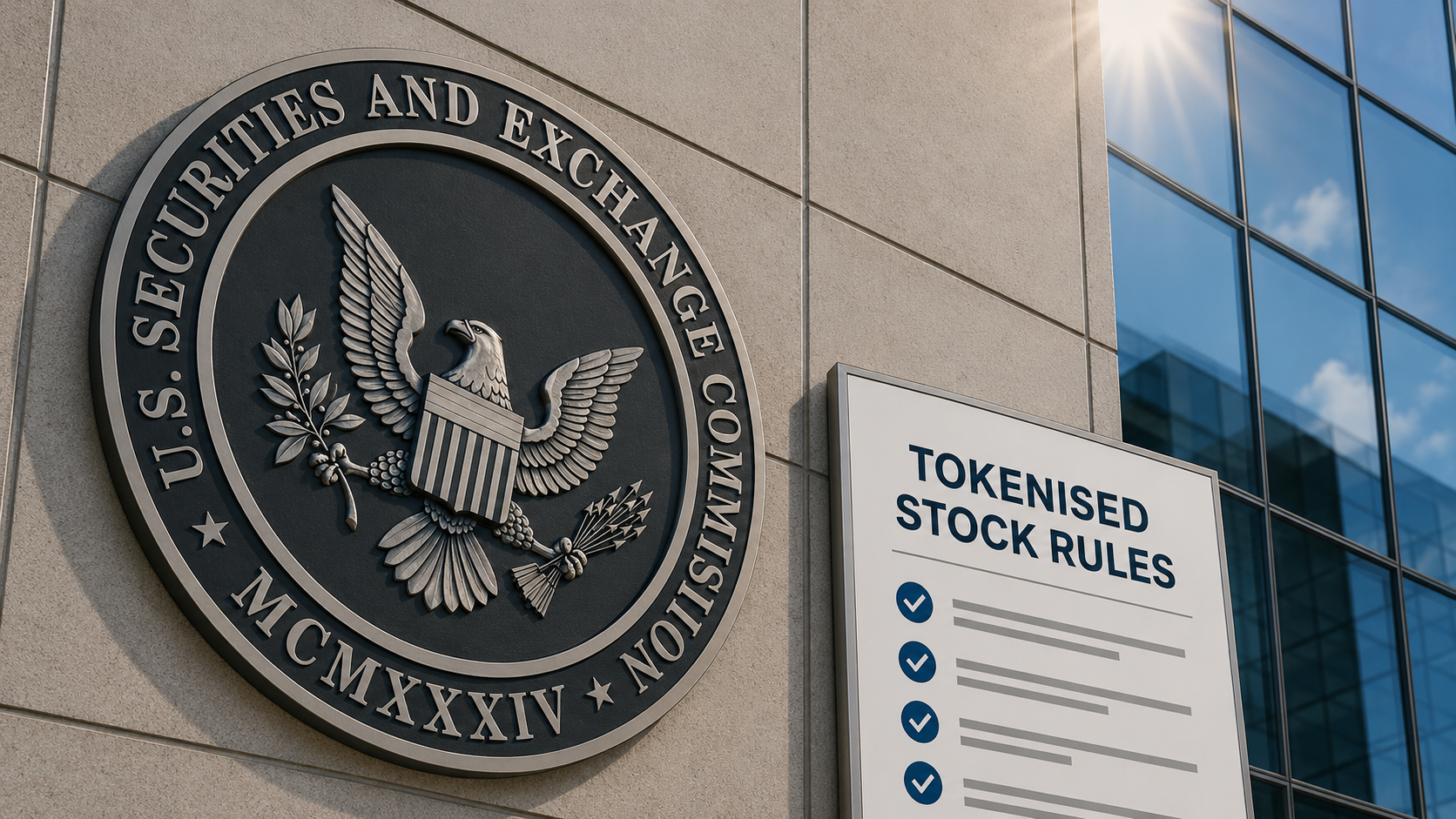
The SEC’s highly anticipated tokenised stocks exemption failed to materialise this week. The agency delayed the release after receiving “feedback” from stock market officials and other market participants. The big sticking point was a proposal to allow third-party share tokens to be issued without the companies’ approval. Bloomberg said this would create problems for companies trying to administer dividends and count shareholder votes. SEC Commissioner Hester Peirce said the framework is “limited in scope and would facilitate trading only of digital representations of the same underlying equity security that an investor could purchase in the secondary market today, not synthetics.”
NYSE and Nasdaq moves
NYSE owner Intercontinental Exchange is working with a crypto exchange on oil perpetual futures, after seeing how successful they’ve been on Hyperliquid. Nasdaq has received SEC approval to list cash-settled Bitcoin index options under the ticker QBTC. With one contract equaling 1 BTC, it will be a lot more accessible to smaller investors than CME’s five Bitcoin contracts. The product still requires CFTC approval.
Asia Crypto News
A petition calling for the abolition of South Korea’s new crypto tax law has collected more than 50,000 signatures and triggered a formal review in the National Assembly. Investors are upset about a 22% tax on crypto gains from 2027, which is less than half of the top 47% CGT Australian investors will face that same year. Indian regulators have ordered internet providers to block Kalshi and Polymarket as prohibited online gambling services. Singapore has cancelled the crypto payments license of Bsquared Technology due to alleged failures in risk management and false disclosures. Hong Kong is set to introduce a bill to implement the OECD crypto asset reporting framework in 2028, and the Securities and Futures Commission awarded the territory’s 13th crypto exchange license to NewBX Limited, the entity behind Bixin. Kraken secured approval to operate in Dubai after its parent company, Payward, secured a broker-dealer and investment management license from the emirate.
Clarity good for ETH, SOL and BNB
The odds of the Clarity Act passing this year are at 65%, but Alex Thorn from Galaxy says it’ll come down to the wire as it takes around seven weeks from passing committee to get over the line, and there’s only nine weeks available. If the bill does pass, Grayscale says Ethereum, Solana, BNB Chain and Canton will be the biggest beneficiaries due to tokenisation, DeFi and stablecoin demand. ETH analyst Adriano Feria argues that the five-part asset test in Section 104 of Clarity will create a new regulatory category for a “decentralised digital commodity with native smart contract economy, that currently has exactly one member (ETH)” He says that as a result, institutions will build on Ethereum for compliance reasons, forcing a substantial reevaluation of the price.

Is Cardano overvalued?
Created by Ethereum co-founder Charles Hoskinson, Cardano has always prided itself on building the best possible technology. But critics argue it’s also massively overvalued given the amount of activity on the network. Analyst Eye Zen Hour noted this week that it has just US$128 million (A$178M) in TVL, 24-hour DEX volume of US$1.3 million (A$1.8M), and just 17,000 active addresses, underpinning a US$8.8 billion (A$12.3B) market cap. The analyst described this as an “incredibly small on-chain economy relative to valuation.” Satoshi Flipper asked, “Is Cardano the most overvalued blockchain on the planet?”
The Moonshot Dispatch
Join us every Tuesday at 3 pm (AEST) as we cover the latest crypto news, price movements and all the Bitcoin banter you may have missed. Tune in weekly on Twitter/X, YouTube, Instagram & TikTok.

Until next week, happy trading!