In markets
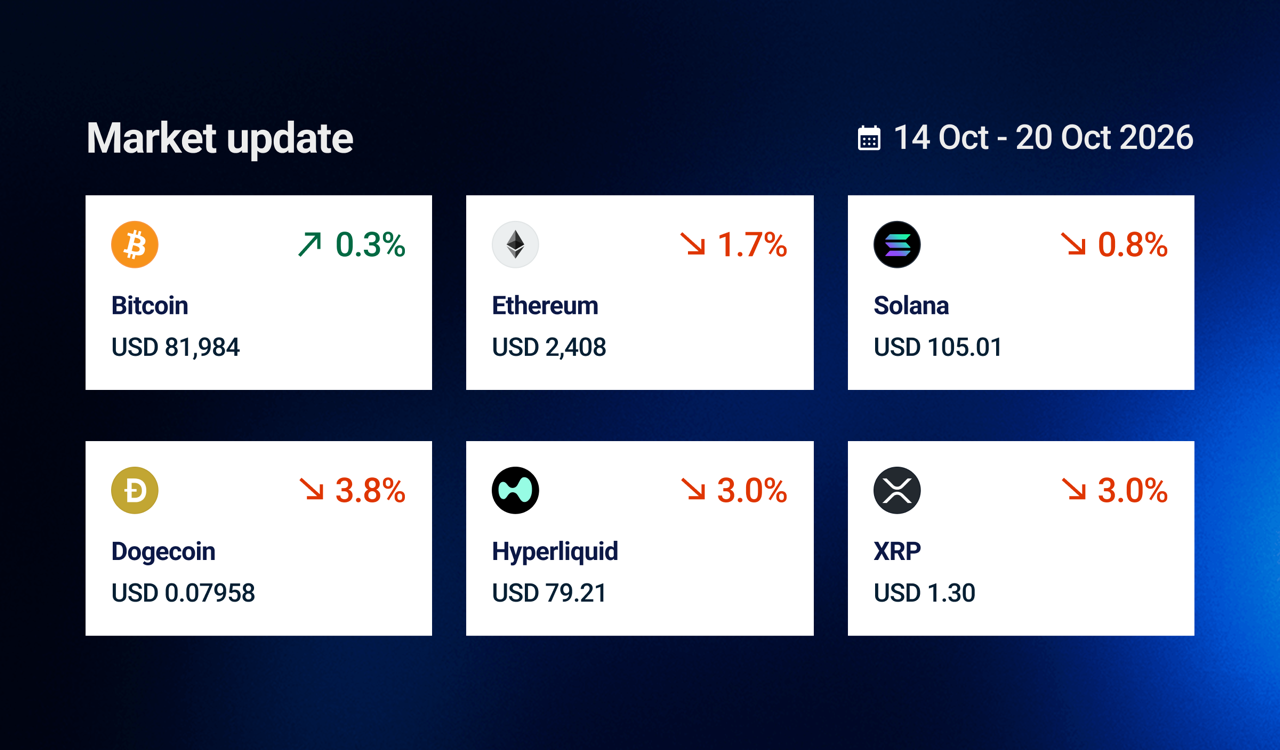
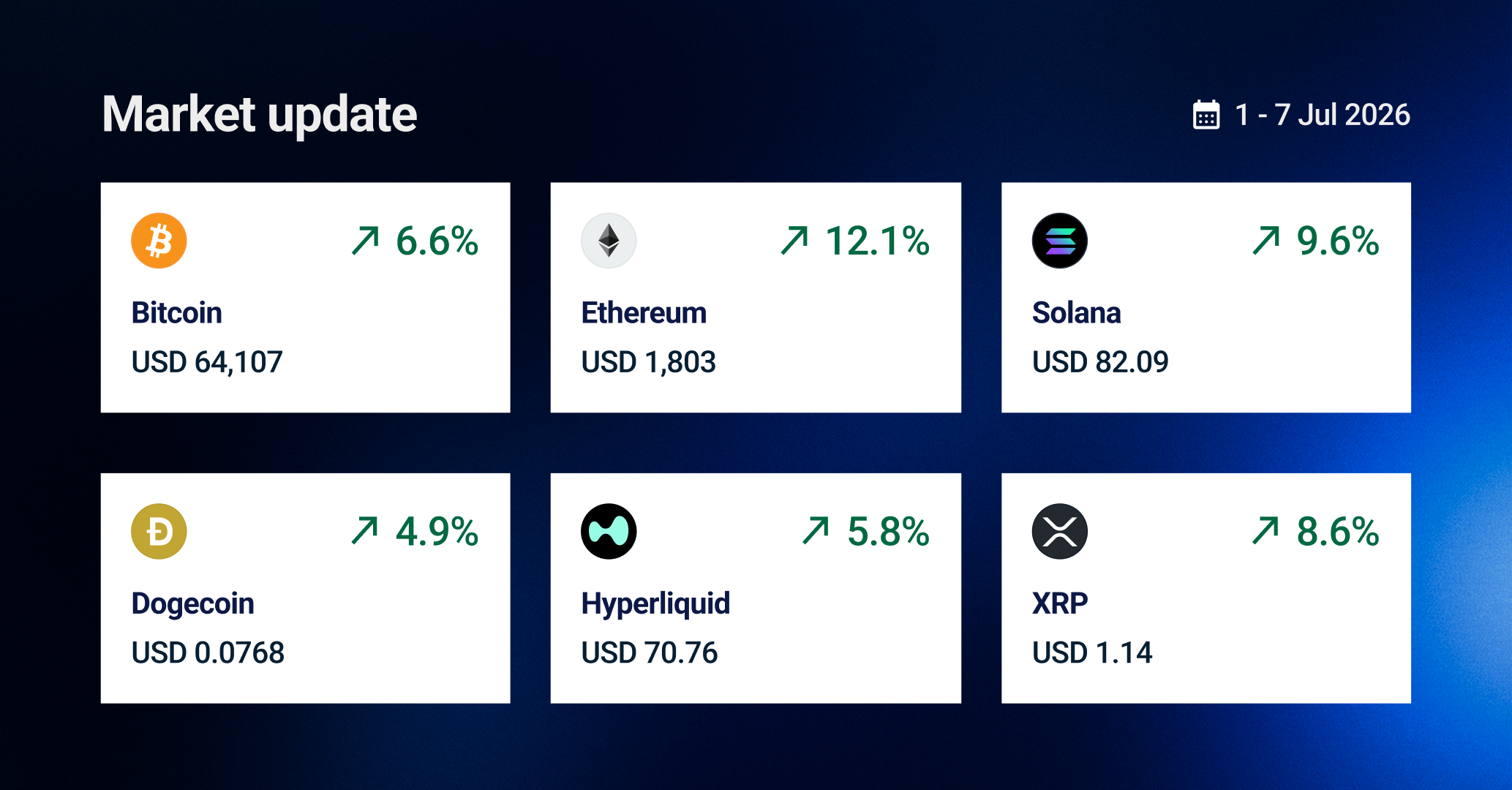
Crypto markets turned a corner this week, with the total market cap rising from US$2.06 trillion to US$ 2.21 trillion. Even with Strategy selling a few thousand Bitcoin, and a disappointing US jobs report, it does not appear to have dented the cautious optimism just yet, with Bitcoin gaining 6.5% this week to trade around US$64,098.
The move up came after Bitcoin’s realised profit and loss ratio fell to a 43-month low of -0.35, a figure that CryptoQuant said has historically coincided with market bottoms. The Bitcoin ETFs also flipped positive on Thursday for the first time since May, taking US$223.5 million, and there’s even renewed talk about a US Bitcoin Reserve, despite unresolved legal questions.
The ETH/BTC ratio recovered 6.6% over the week, after creator Vitalik Buterin announced the whole chain will be overhauled as Lean Ethereum. Ethereum finishes the week up 12.1% to trade around US$1,803, and some analysts believe it could push much higher if it can hold above the US$1,750 support level. Ethereum rejoined the world’s top 100 assets by market cap, just ahead of BHP.
XRP was up 8.4%, Solana gained 9.6% — with its 137.5 million daily transactions nearing 2026’s high water mark — Hyperliquid increased 6%, and Dogecoin gained 4.8%.
The Crypto Fear and Greed Index is at 27, or Extreme Fear.
From the OTC desk
Non-Farm Payrolls to save the day?
Despite Thursday’s Bitcoin ETF inflow, the U.S. spot Bitcoin ETFs recorded a net weekly outflow of US$527 million, marking the eighth consecutive week of negative flows. Thursday’s turnaround was partly supported by weaker-than-expected Non-Farm Payrolls data. June payrolls came in at 57,000, well below expectations of 114,000, while previous employment numbers were also revised lower.
The softer labour data helped the market price out the likelihood of further rate hikes, easing some pressure on risk assets. For Bitcoin, this could mark the beginning of a shift in focus: from persistent ETF outflows to a more supportive macro backdrop where inflationary concerns and Fed hikes become less immediate. That said, one weak job print is not enough to confirm a broader trend. The next key confirmations will come from CPI and PCE data in the coming months, which will determine whether the Fed has enough room to stay on hold or eventually ease.
Stablecoin competition heats up
The interesting structural story may be happening outside Bitcoin itself. Open USD, a new dollar-backed stablecoin supported by a consortium including Visa, Mastercard, Coinbase and more than 140 businesses, is expected to launch later this year. Unlike the traditional stablecoin model, in which reserve income accrues primarily to the issuer, Open USD plans to share reserve earnings with participating businesses after fees are deducted. This immediately caused Circle’s stock to drop over 16%, amid concerns that USDC’s moat could be at risk from these big-name players.
Although Open USD has faced some controversy over businesses’ support, it still highlights the shift of stablecoins from a niche crypto product to a more competitive payments infrastructure layer. As tokenised assets continue to move on-chain, stablecoin rails are also expanding to capture that demand. Increased competition in the space could drive faster innovation, lower user costs, lower minting and redemption fees, and deeper liquidity across the ecosystem.
OTC desk activity
- Mainly BTC sell flows over the past week.
- Tether continues to trade at a discount, with flows mainly driven by on-ramping demand.
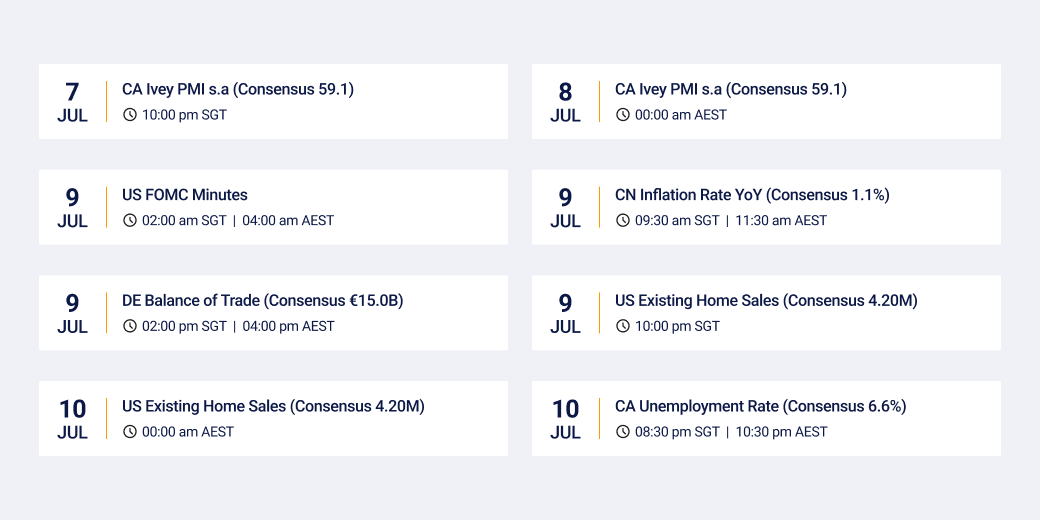
Key economic calendar events SGT / AEST
In headlines
Strategy sells 3,588 Bitcoin
Michael Saylor’s Strategy has sold 3,588 Bitcoin for $216 million to help fund the 12% dividends of its preferred stock STRC. For years, Saylor suggested Strategy, the world’s largest corporate holder of Bitcoin, would avoid selling, but a “test transaction” in late May saw Strategy sell 32 Bitcoin for the first time since 2022, hitting the Bitcoin price hard. Today’s much larger sale caused a short 4% dip before Bitcoin recovered to even out for the day. After falling as low as US$71.25, STRC has now recovered to US$89.15 and is slowly inching back toward its US$100 goal. A Bernstein report ahead of the sale predicted that Strategy will remain a net buyer of Bitcoin this year and maintained a US$150K BTC price target for 2026.
Trump makes US$1.4B in crypto profits
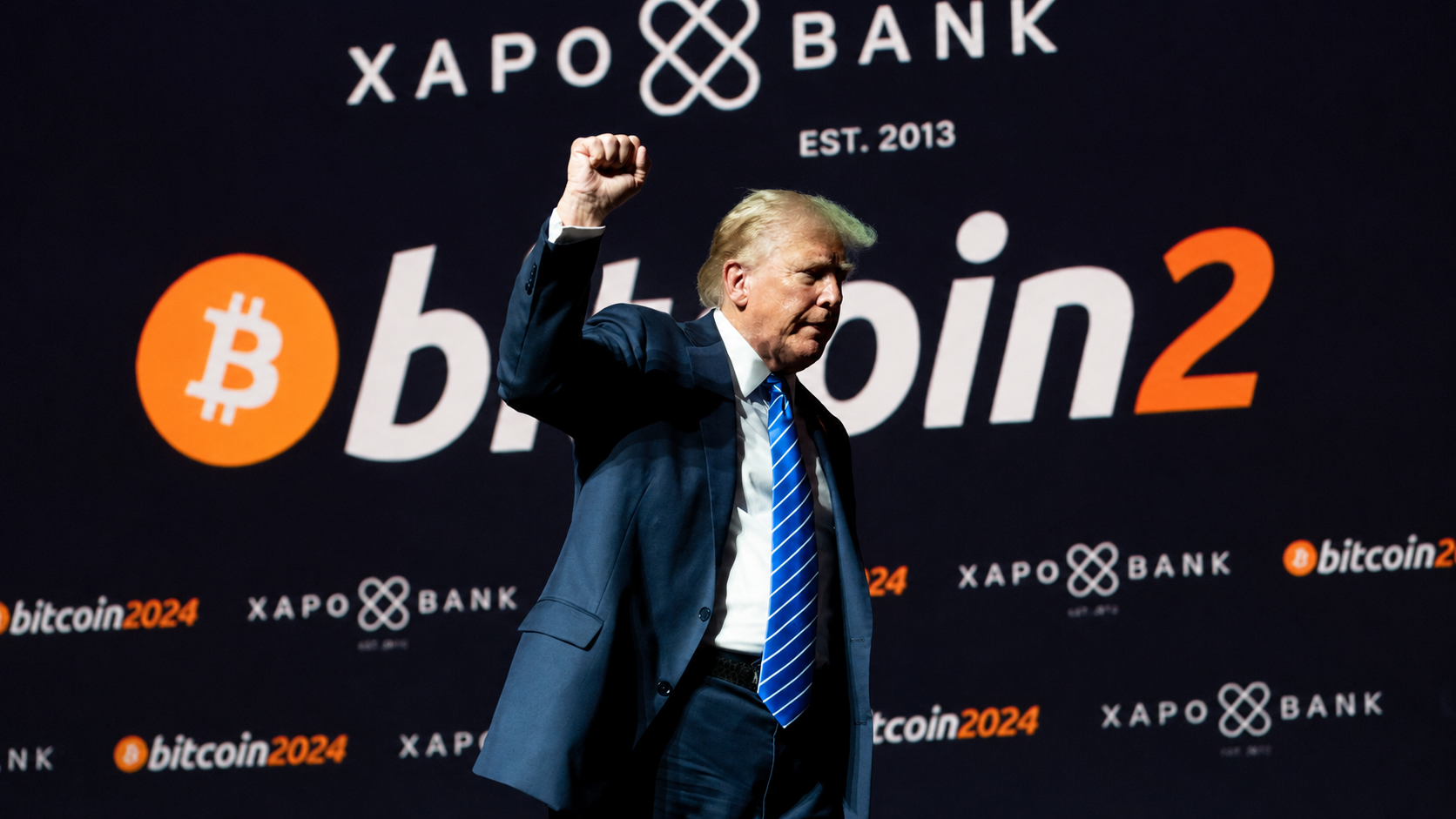
Donald Trump made more out of crypto in 2025 than any listed exchange or miner, raking in US$1.4 billion from his crypto ventures. Trump’s memecoin generated US$636 million, World Liberty sales US$588 million, and Stablecoin Holdco made him US$197 million. In response, Senator Kirsten Gillibrand proposed banning elected officials and the president from issuing or sponsoring their own tokens.
Open USD claims 140 members
A new stablecoin project called Open USD is reportedly backed by big names including Visa, Mastercard, Stripe, Ripple, BlackRock, Standard Chartered, Google, and Shopify. Partners will be able to mint OUSD at no cost and with no volume limits, while keeping earnings from its reserves, minus a small fee. Accounting for 70% of stablecoin volumes this year, USDC issuer Circle faces the biggest threat, and its shares dropped more than 16% after the announcement. Later in the week, firms named as members by OUSD, including Samsung, Upbit, and Kbank, noted they are yet to formally sign on. General Partner at Dragonfly, Rob Hadick, says OUSD could be formidable, but faces an uphill battle. “Most consortiums fail or break up, and this isn’t even the 1st, 2nd, or 3rd time it’s been tried in the stablecoin space,” he said.
CLARITY’s chances
The odds of the CLARITY Act passing this year have fallen to 46% on Polymarket even after the National Organisation of Black Law Enforcement Executives (NOBLE) endorsed it, and the Major County Sheriffs of America (MCSA) shifted to a “neutral” position after “continued discussions in recent days” regarding the Blockchain Regulatory Certainty Act. The controversial BRCA provisions that protect devs of decentralised smart contracts are a significant issue, with four other attorneys and law enforcement groups submitting that the bill’s “broad exemptions could create gaps in oversight and accountability that sophisticated criminal actors may exploit.”
Vitalik’s ETH overhaul
Ethereum creator Vitalik Buterin has updated Ethereum’s roadmap following research meetings in Berlin. The Lean Ethereum overhaul will be as significant an upgrade as The Merge and will replace almost every major protocol component. Ethereum will switch to ZK STARK verification and add a scalable, cheaper state type, quantum security, faster finality, programmable privacy, and formal verification. “Ethereum is reinventing itself. Onward,” he wrote. Former EF researcher Dankrad Feist spoke for many when he said the roadmap was impressive, but its 3-4-year timetable was too long.

Ethereum Institutional
Bitmine and Sharplink have backed Ethereum Institutional, a new independent organisation headed up by former Ethereum Foundation leaders. It will provide advice to institutions, connect them to infra and apps, market the ecosystem, conduct research and hold events. The organisation says it will be “a neutral counterpart on the other side of the table: a guide that convenes the full ecosystem around shared standards, connects institutions within the ecosystem to solutions/infrastructure providers and applications, and removes integration friction, from first pilot through scaled production.”
MAS sets out safeguards for AI agents in finance
Singapore’s central bank (MAS) published an industry white paper on 3 July 2026 titled “Safeguards for Agentic Finance at Runtime (SAFR),” setting out an industry-developed framework that enables AI agents in financial services to carry out tasks safely, securely and reliably. The move reflects how seriously Singapore is taking the operational risks of autonomous decision-making, and since Singapore is often a bellwether for Asia’s fintech regulation, this framework could shape standards well beyond its own borders.
JPMorgan adds the Singapore dollar to its blockchain network
JPMorgan’s blockchain unit has expanded its tokenised deposit network to include the Singapore dollar, broadening its on-chain foreign exchange capabilities. The update will allow financial institutions and multinational corporations to execute 24/7 on-chain foreign exchange between the Singdollar and other major currencies. This is a meaningful step for Singapore’s role in institutional blockchain infrastructure, reinforcing its position as a key node in global tokenised finance. It also points to how major global banks are steadily expanding support for Asian currencies across their digital payment rails.
Taiwan’s new crypto rules
Taiwan legislators have passed the Virtual Asset Service Act, requiring exchanges and custodians to obtain a license from the Financial Supervisory Commission. The legislation sets rules for stablecoin issuers and brings in stricter regulations on cybersecurity, client asset segregation, and internal controls. There are criminal penalties for violations, with prison terms of up to 10 years or a fine of NT$200 million (US$6.28M).
Korean central bank and tokenised bonds
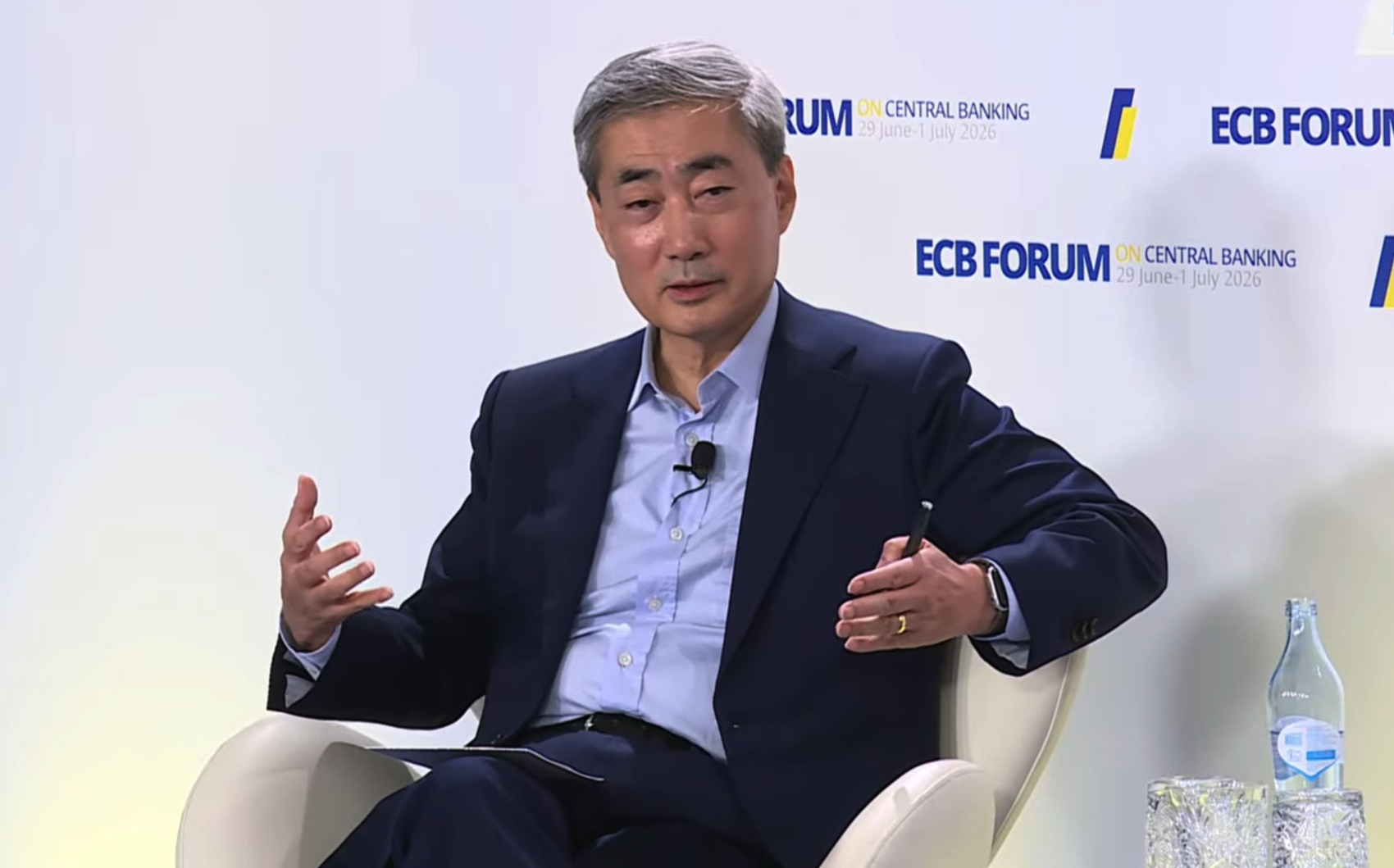
Shin Hyun-song, the Governor of the Bank of Korea, told the European Central Bank’s Central Banking Forum this week that “the big prize is tokenising government bonds.” He proposed a “unified ledger” controlled by the BOK to host CBDCs, tokenised bank deposits, and tokenised government bonds on a single programmable platform.
Dubai notches up 50 licensed crypto firms
Dubai’s Virtual Assets Regulatory Authority (VARA) has granted its 50th virtual asset service provider (VASP) license. That puts it ahead on raw numbers compared with rival Asian crypto hubs such as Singapore, which has 37 licensed firms, and Hong Kong, with 13.
More Asia crypto news
Net new token listings on South Korea’s domestic crypto exchanges fell 74% from 2025 in the first half of 2026, to just 49. Korea Exchange (KRX) has announced new rules that would prevent tech companies from pivoting to crypto treasury companies. Japan’s SBI Crypto is shutting down its Bitcoin mining pool, the 12th-largest in the world. India’s central bank has urged lawmakers to keep banks insulated from crypto.
IRCI Singapore 2026 industry insights
Independent Reserve Singapore is partnering with the Association of Cryptocurrency Enterprises and Startups Singapore (ACCESS) to host an industry insight session on key findings from the Independent Reserve Cryptocurrency Index (IRCI) Singapore 2026 report.
Join us on Thursday, 16 July 2026, from 5:00 PM to 7:00 PM SGT. Our Head of Compliance, Hannah Puganenthran, will moderate the panel alongside our Head of Trading, Mark Wong, as they discuss the latest crypto trends and insights from the IRCI Singapore 2026 report. Stick around after for refreshments and networking.
RSVP now to secure your spot.

The Moonshot Dispatch
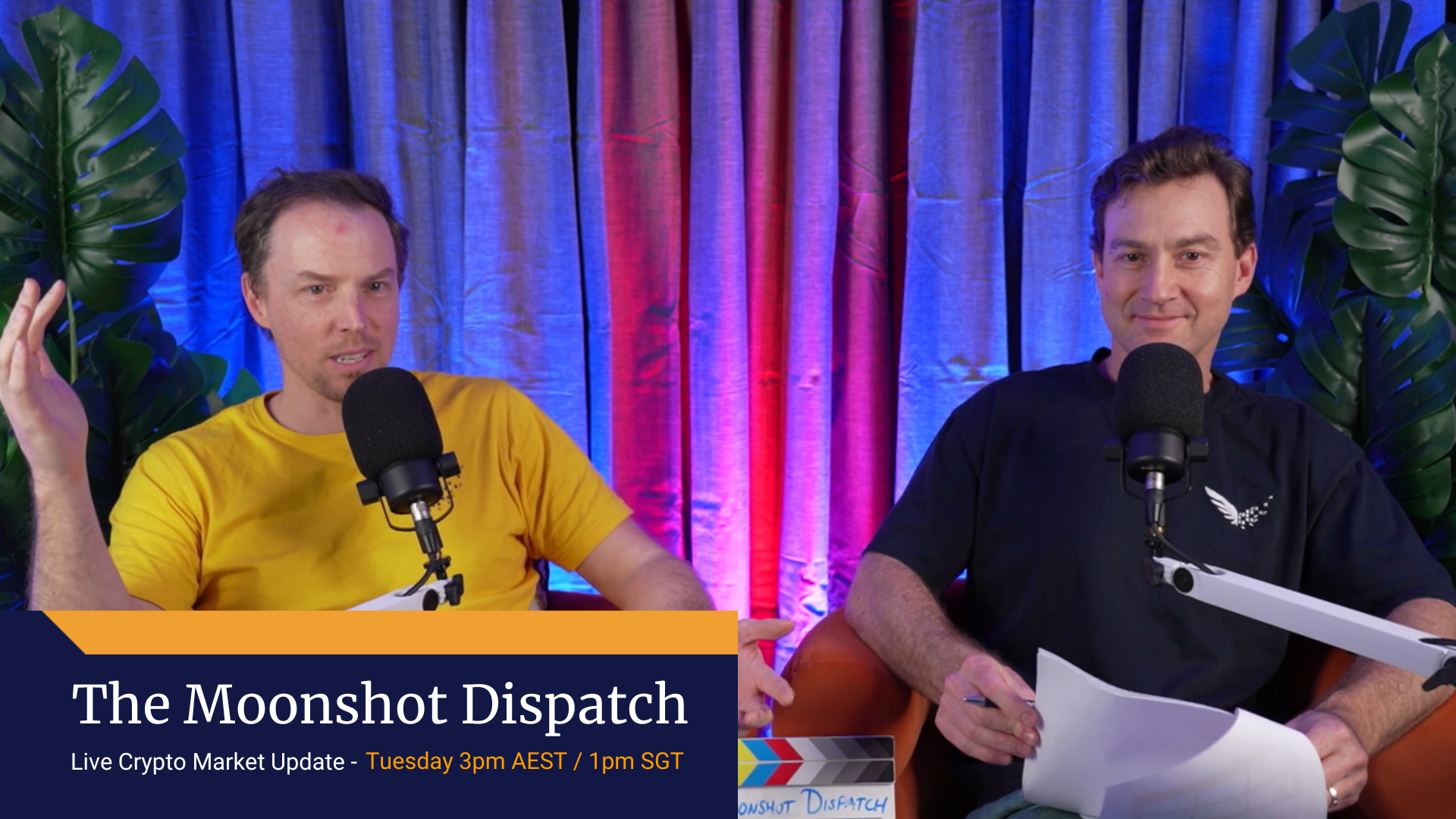
Join us every Tuesday at 1:00 PM / 3:00 PM (SGT / AEST) as we cover the latest crypto news, price movements and all the Bitcoin banter you may have missed. Tune in weekly on Twitter/X, YouTube, Instagram & TikTok.
Until next week, happy trading!