In markets
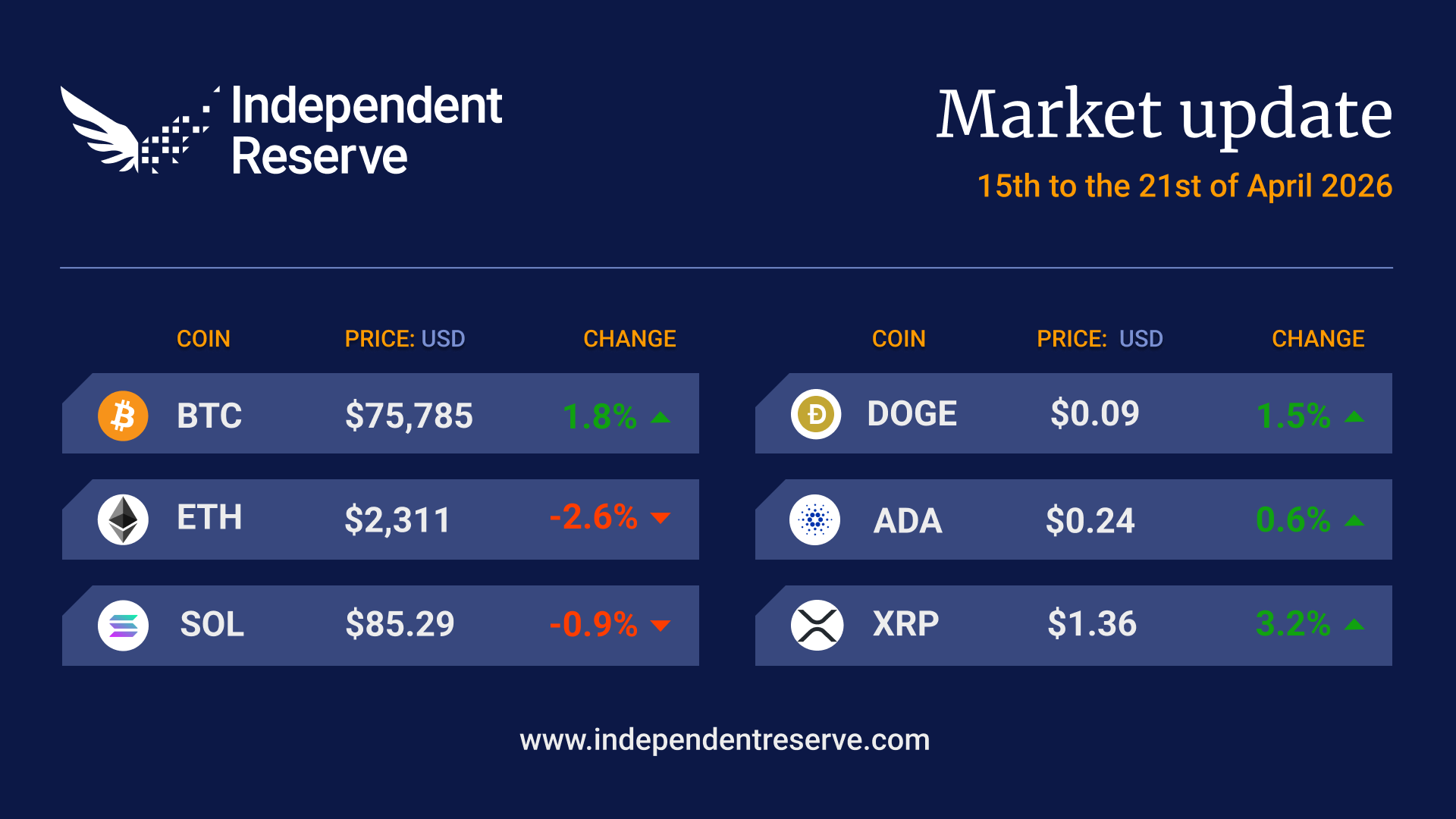
Stocks rose back to record highs, and Bitcoin surged close to A$109,000 (US$78K) late last week after President Trump and Iran’s government declared the Strait of Hormuz open. But the IRGC quickly overruled the politicians and closed it again, with the outcome of negotiations to end the war later today likely to set the direction for markets this week. Despite rising tensions, Bitcoin is holding up well, thanks in part to Strategy’s massive Bitcoin buy, and it finishes the week up 1.8% to trade around A$105,616 (US$75,785). Ethereum processed a record high of 200.4 million transactions in the first quarter, but its sales pitch as the future of finance has taken a battering after a swathe of DeFi projects were caught up in the contagion from the KelpDAO hack. ETH finishes the week down 2.6% to trade around A$3,220 (US$2,311). XRP gained 3.2%, Solana fell 0.9%, Dogecoin gained 1.5%, and Cardano was flat. The Crypto Fear and Greed Index is at 33, or Fear.
From the OTC desk
The US economy is chugging along with risk assets
Bank earnings over the past week, particularly from major institutions such as JPMorgan and Bank of America, indicate that the U.S. consumer remains fundamentally healthy, with resilient spending and stable credit quality. Adding to this constructive backdrop, the economic inflation and jobless claims data came in lower than expected, helping ease inflationary concerns from the Middle East conflict. Speaking of which, the Strait of Hormuz remains a key tail risk for markets as negotiations continue to drag on. Any prolonged disruption could reignite inflationary pressures and complicate the Fed’s outlook, potentially forcing a renewed rate-hiking cycle, an outcome that would be negative for risk assets.
Signs of capital inflow into crypto
Over the past week, Tether has minted roughly $3.48 billion in new USDT, while the broader stablecoin market cap has started trending higher again, pointing to fresh liquidity re-entering the system. At the same time, U.S. demand for Bitcoin remains firm, with U.S. BTC demand indicators staying in positive territory over the past week at around 0.03%. Taken together, these signals suggest a constructive backdrop for crypto in the coming weeks. If sustained, the pickup in stablecoin issuance could continue to support prices going forward.
OTC desk activity
- Market participants seemed keen to accumulate BTC over the week
- More on-ramp flows for the week
Key Economic Calendar Events (AEST)
- Tuesday, Apr 21 2026 – 10:30 PM – US Retail Sales MoM (Consensus 1.4%)
- Wednesday, Apr 22 2026 – 09:50 AM – JP Balance of Trade (Consensus ¥1106B)
- Thursday, Apr 23 2026 – 03:00 PM – SG Core Inflation Rate YoY
- Thursday, Apr 23 2026 – 03:00 PM – SG Inflation Rate YoY
- Friday, Apr 24 2026 – 09:30 AM – JP Core Inflation Rate YoY (Consensus 1.8%)
- Saturday, Apr 25 2026 – 12:00 AM – US Michigan Consumer Sentiment Final (Consensus 47.6)
- Monday, Apr 27 2026 – 11:30 AM – CN Industrial Profits (YTD) YoY
- Monday, Apr 27 2026 – 03:00 PM – SG Industrial Production MoM
- Monday, Apr 27 2026 – 03:00 PM – SG Industrial Production YoY
In headlines
DeFi in turmoil
North Korea’s Lazarus Group is believed to be behind the massive US$292 million (A$407M) hack of KelpDAO’s LayerZero bridge. The attackers found a single point of failure, used it to mint 116.5K fake rsETH tokens, and then borrowed WETH against them on Aave. It’s left Aave with around US$200M (A$278M) in bad debt, and more than a dozen other DeFi projects were forced to pause operations. Total DeFi TVL has since fallen by US$14.2 billion (A$19.8B), as users worry that AI-identified exploits are making the entire sector insecure. Aave is believed to have the funds available to absorb the loss. Worryingly, however, 47% of other projects using LayerZero may also be at risk, as they employ a similar 1-of-1 Decentralised Verifier Network (DVN) setup that grants a single validator full authority to approve cross-chain messages.

53 projects infiltrated by North Korea
An Ethereum Foundation-funded program called The Ketman Project is fighting back against the hackers by identifying 100 suspected North Korean infiltrators working at 53 web3 and DeFi projects. The projects have not been named, but it’s safe to say those NK IT workers are now out of a job.
Bitcoin ETFs are going strong
The spot Bitcoin ETFs hauled in US$996 million (A$1.4B) in inflows last week, for the best performance since early January. The total net assets across all of the spot Bitcoin ETFs have now climbed above US$101 billion (A$141B). Morgan Stanley’s ETF has been a big success, amassing US$133 million (A$185M) and overtaking WisdomTree’s ETF.
Goldman Sachs Bitcoin ETF
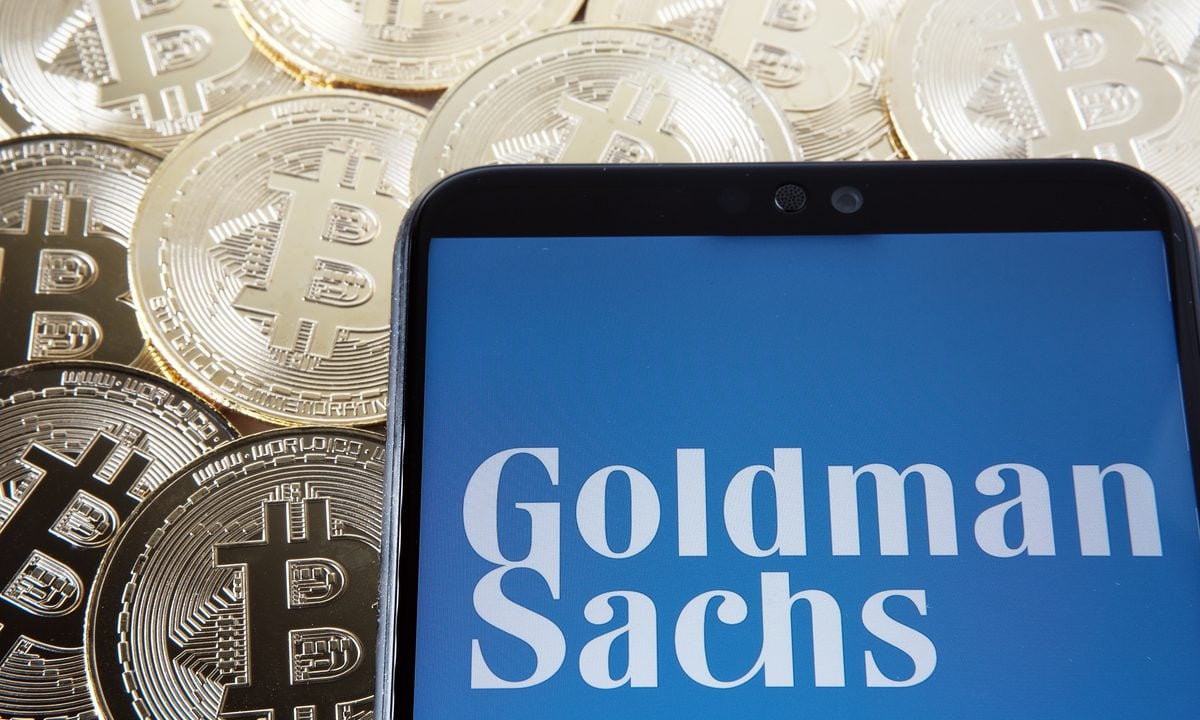
Goldman Sachs has entered the Bitcoin ETF arena — but with a twist. The financial giant has filed with the SEC to launch an income-generating Bitcoin ETF. The fund will invest in other spot Bitcoin ETFs and generate yield by selling call options on Bitcoin-linked ETPs. Bloomberg analyst Eric Balchunas called the ETF proposal “boomer candy” and admitted it came as a surprise: “I kinda just thought JPM and GS would sit crypto out in favour of competing in other categories.”
Charles Schwab to launch spot trading
Massive US brokerage Charles Schwab will roll out spot crypto trading for retail clients in the coming weeks, starting with Bitcoin and Ether. The offering will put crypto trading alongside stocks and other assets on Schwab’s mobile and web platforms. The firm looks after about US$12.22 trillion (A$17T) in client assets.
Strategy buys all the Bitcoin
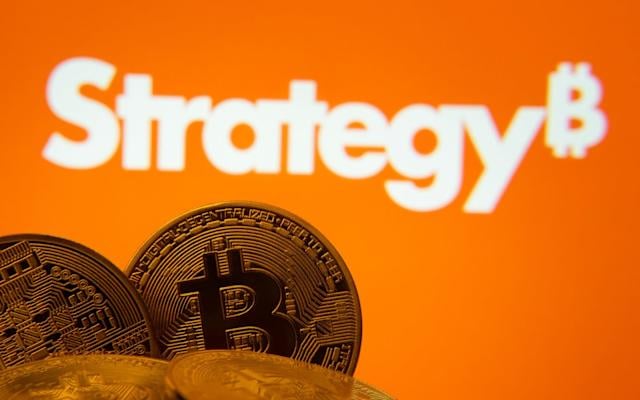
Strategy has now amassed 815,061 Bitcoin following a massive US$2.54 billion (A$3.54B) purchase this week. It’s the company’s third-largest acquisition to date. The purchase was funded via its STRC perpetual preferred security.
Still no CLARITY
A deal to secure passage of the CLARITY Act remains frustratingly just out of reach, with the banks dragging their feet. A JPMorgan report claims lawmakers believe the legislation is “very close” to completion, with the list of contentious items whittled down to “2-3 issues,” including questions around DeFi oversight and token classification, which are expected to be resolved in the near term. While JPMorgan claims the stablecoin yield rewards discussion is now “in a good place”, other reports suggest a meeting between banks and crypto reps may be required to hammer out a final compromise. The text still hasn’t been released, and no vote has been scheduled. The Senate Banking Committee will be tied up this week with the nomination hearing for Fed Chair hopeful Kevin Warsh — although that looks promising, given he has significant crypto exposure. Crypto In America reports markup on the bill could now be pushed until May.
Singapore’s key crypto demographic
Singapore’s “sandwich class”: older Millennials and Gen Xers aged 35–54 are the most consistent crypto-investing group, according to the latest Independent Reserve Cryptocurrency Index Singapore. The survey, which was covered by The Business Times and The Straits Times, found that around 77% of people in this group who own, or have owned, crypto view it as important for long-term wealth building. Sandwich class investors are also more methodical and disciplined, with 48% having held crypto for three to five years, and 49% investing via dollar cost averaging. By contrast, half of Gen Z crypto investors have now dropped out.
Proposal to freeze Satoshi’s coins
Bitcoin devs, led by Jameson Lopp, have proposed BIP-361, a highly controversial plan that would effectively freeze Satoshi’s coins to avoid them being stolen by a quantum hacker. Building on BIP-360, which would implement a quantum-secure output type, the first stage of the proposal would prevent funds from being sent to insecure addresses. Five years later, spending from insecure addresses would be disallowed, effectively cancelling out their value. The proposal flies in the face of Bitcoiner ideals around property rights, so it faces an uphill battle to gain consensus. An analysis of replies to the announcement found 95% were negative. BitMEX Research proposed a complex alternative, in which the freeze would occur only after a quantum attack had been proven.
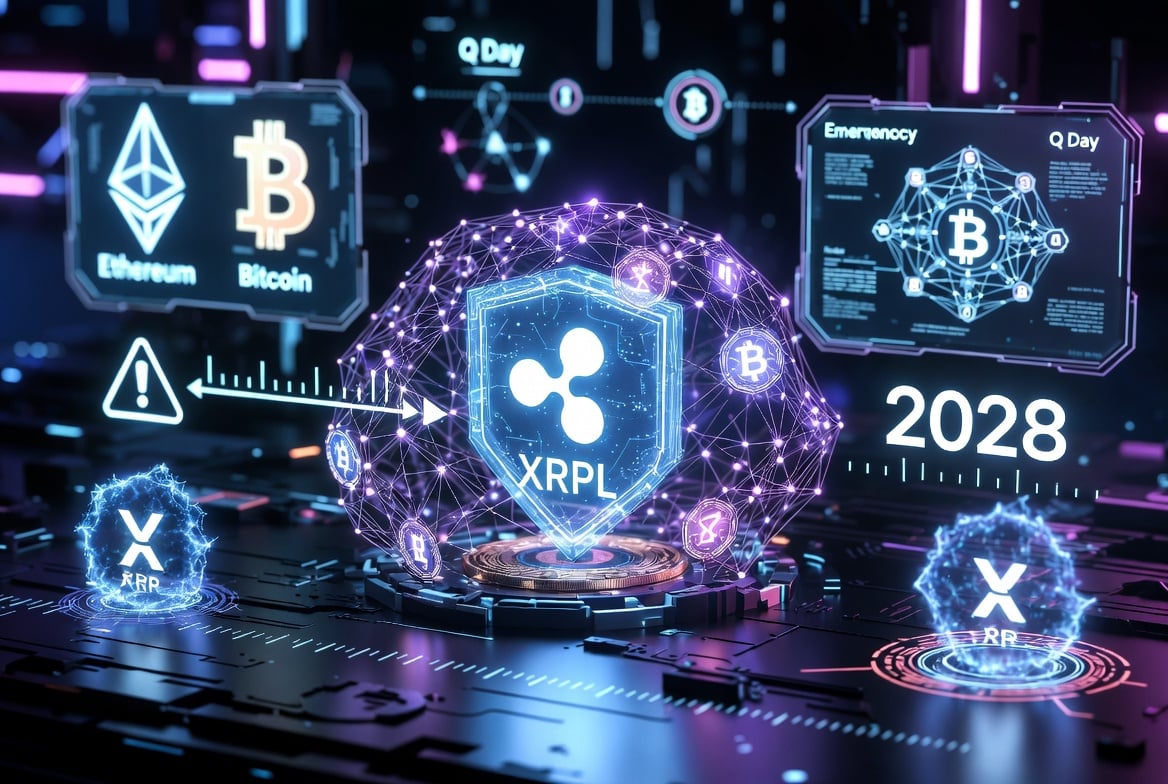
XRP will upgrade to Post Quantum by 2028
Meanwhile, Ripple has announced XRPL will become quantum-resistant a year earlier than Ethereum, in 2028. The new roadmap outlines plans to trial and implement new post-quantum signature schemes and provides an emergency plan in case Q Day occurs before the upgrade is complete. Upgrading XRPL will be easier than Ethereum or Bitcoin, as users won’t have to physically transfer their coins to new addresses.
Asia news
Pakistan has reopened its banking system to licensed crypto firms after an eight-year ban. South Korea is trialling the use of blockchain rails for government spending. The trial involves tokenising bank deposits to pay for services. According to Kaiko, South Korea now accounts for 30% of global crypto trading volume.
The Moonshot Dispatch
Join us every Tuesday at 3 pm (AEST) as we cover the latest crypto news, price movements and all the Bitcoin banter you may have missed. Tune in weekly on Twitter/X, YouTube, & TikTok.
Until next week, happy trading!