Market insights
It’s a momentous week for crypto regulation in the United States, with the CLARITY Act facing its most important vote in the Senate early Wednesday morning.
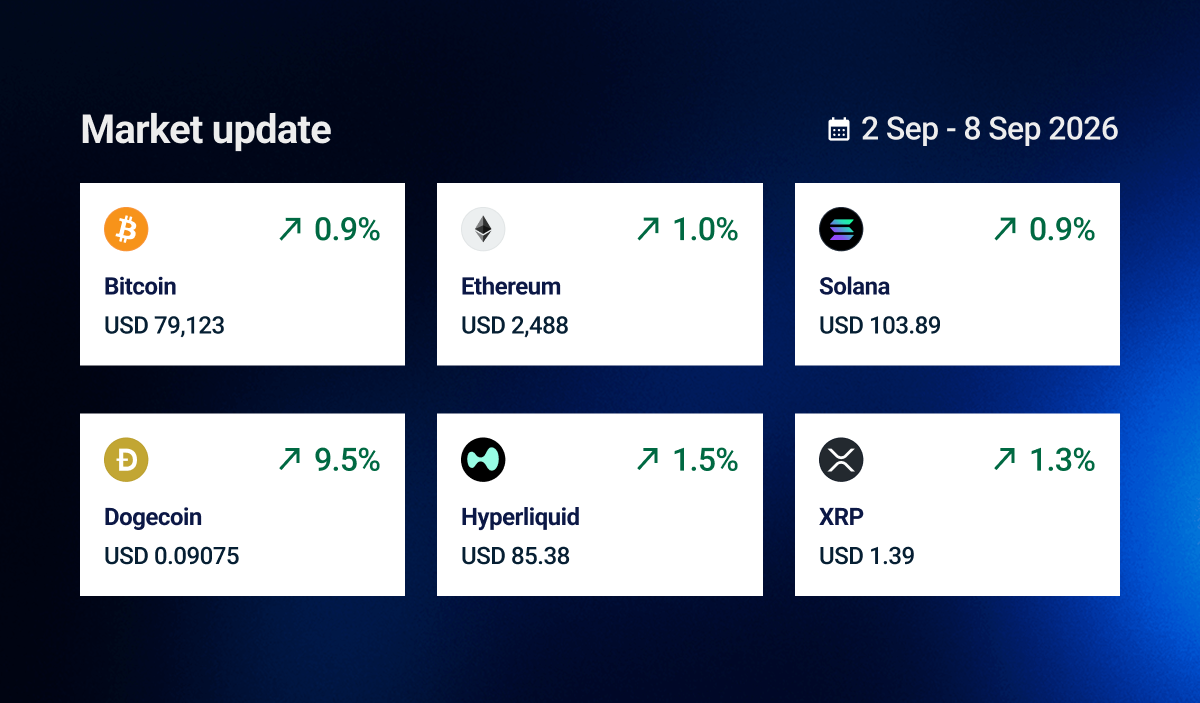
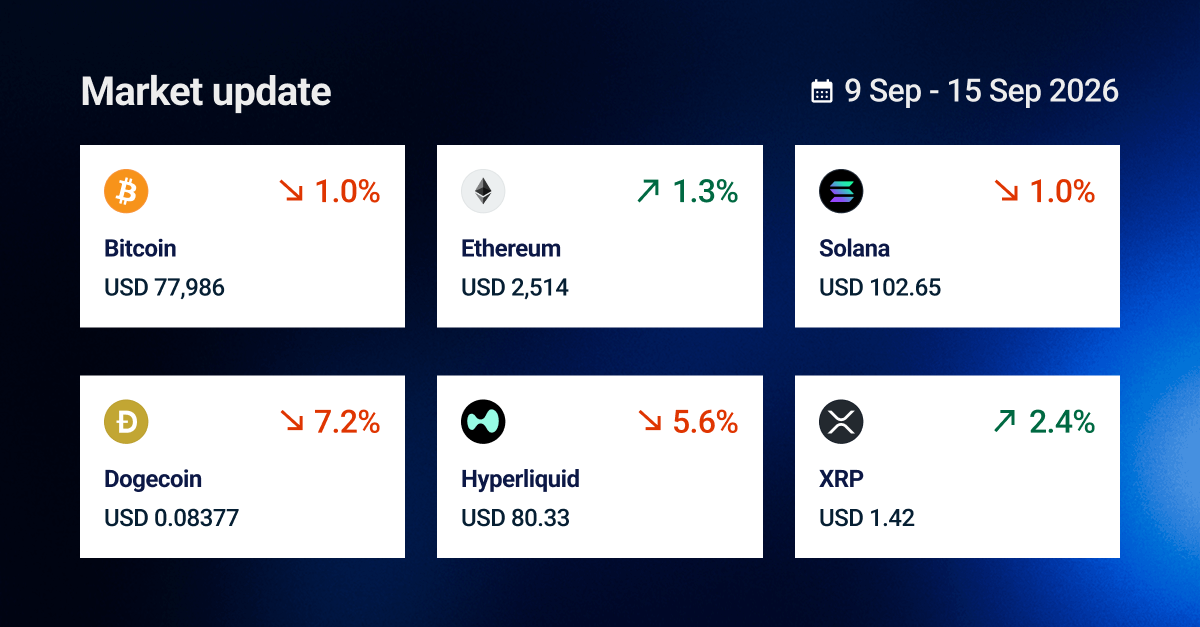
Crypto markets have risen over the past 24 hours ahead of the vote, although Bitcoin remains flat for the week at US$78,508. Ethereum rose 1.9% to US$2,529, and the ETH/BTC chart gained another 3% for the week and 7.9% for the month.
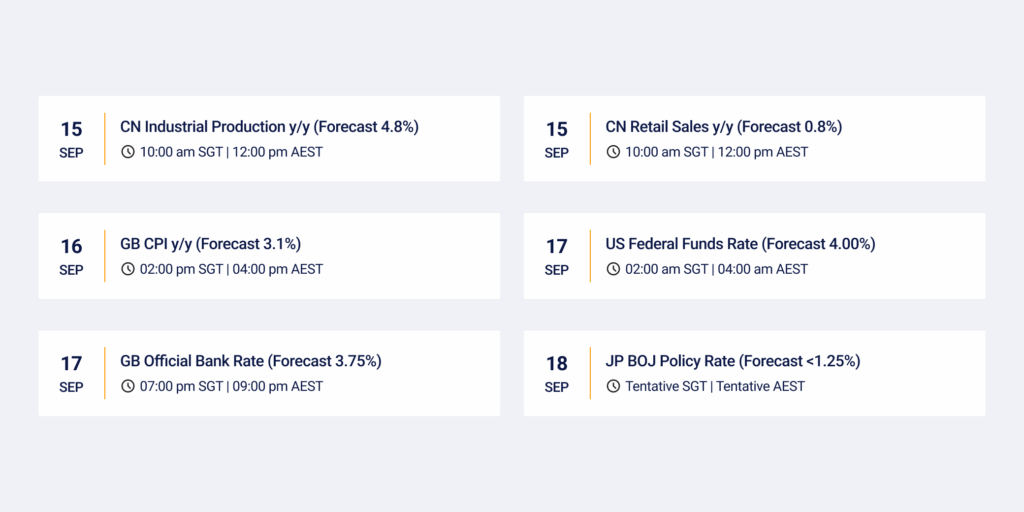
Financial markets got a boost after the US core inflation figures dropped to 2.4%. Although it’s the lowest reading since 2021, markets are still pricing in a US interest rate hike this week, as well as a Japanese rate hike. The 10-year US Treasury yield has also just crossed 5% despite the Treasury’s bond buyback program expanding to US$6 billion.
Over the weekend, the big US AI companies agreed to slow down development due to fears that the tech is getting out of control. Stock market returns are being driven by the AI buildout, but the effect of the slowdown is unclear.
The Ether ETFs notched up a fourth straight week of inflows with a US$197.1 million haul, while the Bitcoin ETFs went backwards with a US$462.73 outflow.
Bitcoin has just seen a Golden Cross, where the 50-day average crosses above the 200-day. CoinBureau says “the last three completed golden crosses sent Bitcoin up 50%, 45% and 60%” but analyst Ben Cowen notes a 10%-15% dip usually comes first.
The Crypto Fear and Greed Index is at 57, or Greed.
Key economic calendar events
In headlines
CLARITY vote overnight
The odds of the CLARITY Act becoming law before October 2027 suddenly surged to 64% on Kalshi overnight, after a new draft bill was released offering major concessions on a number of contentious issues. Despite this, both TD Cowen and Galaxy’s Alex Thorn put the odds of passage this year at just 25%.
The bill heads to a cloture vote overnight, which requires 60 out of 100 Senators to vote in favour of sending it through to the debate and amendment process. After that, it would need a simple majority to become law. The biggest change in the new draft is to the ethics provisions aimed at Donald Trump, forcing him to divest his crypto holdings. The provisions no longer have a sunset clause and would enable the State Attorney Generals to sue if they are not being enforced. Senator Elizabeth Warren argues this is a mirage, however, as the White House supervising ethics official could prevent a lawsuit by simply offering a legal opinion that Trump had complied.
Eight bank trading groups have also come out swinging against so-called “loopholes” in the text allowing stablecoin rewards, and crypto industry groups aren’t happy that half the protections for decentralised blockchain devs have been stripped. But CNBC reported a Democratic insider as saying enough Democrats may vote to keep the bill alive, and then try to make amendments before the final vote. If the bill doesn’t pass, the CFTC and SEC have already developed pro-crypto rulemaking to roll out instead.
Surprise crypto bill votes
Three other crypto bills will be considered at the committee level on September 16. The House Financial Services Committee will vote on whether to progress the US Strategic Bitcoin reserve bill. The bill would add seized Bitcoin to the reserve, lock it up for 20 years, and officials would also study budget-neutral ways of adding more to the reserves. That same day, the U.S. House Ways and Means Committee will examine a bill that enables Bitcoin miners to defer declaring mined Bitcoin as income until it is sold. Another bill under consideration would apply wash trading bans to crypto.
UK Lords demand crypto strategy
The UK House of Lords has backed an amendment to the Financial Services and Markets Bill that would require the UK government to develop a digital asset strategy within 12 months of the bill becoming law. The strategy would cover crypto, stablecoins and security tokens along with consumer protections, and access to banking, payment and settlement services. The ruling Labour party opposed the amendment however and it’ll head to the House of Commons for another vote.

Canadian regulator rules on tokenised deposits
Canada’s banking regulator OSFI, has confirmed that tokenised deposits are legally no different from traditional bank deposits. The clarification reinforces a technology-neutral approach and enables federally regulated banks to develop blockchain-based deposit products under existing rules.
Revolut data stolen
Financial tech and banking company Revolut has been tricked into handing over a trove of sensitive customer data to scammers — including passports, selfies and transaction histories. The scammers are demanding a ransom while drip feeding the release of the data onto the web. According to the International Cyber Digest, the hackers broke into multiple Italian law enforcement departments and sent a legitimate-seeming email requesting the information. They also stole 147 GB of data from Italian law enforcement.

Cantor Fitzgerald doubles BitMine target
Wall Street financial giant Cantor Fitzgerald has more than doubled its price target on Tom Lee’s ETH treasury company BitMine from US$30.60 to US$63.60. Given Bitmine has cornered almost 5% of the ETH supply, the target suggests Cantor Fitzgerald is bullish on the ETH price too.
Q-Day gets closer
Researchers from the Ethereum Foundation, StarkWare, and Theta Labs have more than halved the estimated resources required for a quantum computer to break the elliptic curve cryptography used by Bitcoin and Ethereum. Google researchers previously revised the estimate down by 20X in March (from the previous estimate), and now that’s halved again to 1,151 logical qubits.
Singapore crypto news
The Singapore Exchange (a tradFi stock market) has become the first major Asian exchange to receive the Commodity Futures Trading Commission’s (CFTC) blessing to provide Bitcoin and Ethereum perpetual futures to US institutions. Singapore-based banks DBS, Oversea-Chinese Banking Corporation, and United Overseas Bank have completed the first live SGD interbank transactions using tokenised deposits on Swift’s new blockchain. Singapore police have warned retail users to add two-factor authentication to their email accounts, after an increase in compromised email accounts that led to crypto thefts.
Until next week, happy trading.