Market insights from the OTC desk
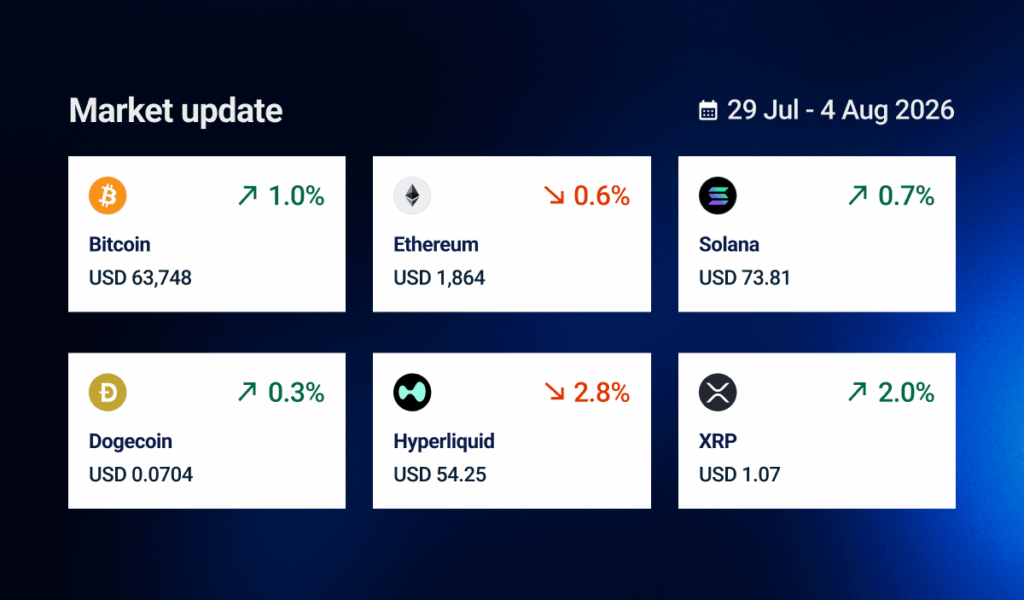
Bitcoin finishes the week right where it began, at US$63,748, while Ethereum prices ease by 1.8% to US$1,864 as it celebrates its 11th birthday this week. XRP was flat, and Solana, which is voting on proposals to reduce inflation, fell by 1%. Hyperliquid lost 2,8%, and Dogecoin is up slightly by 0.3%. The Crypto Fear and Greed Index is at 28, or Fear.
Fed lies low as the market does the work for it
All eyes were on the Fed, which held rates on a 9–3 vote, with Beth Hammack, Neel Kashkari and Lorie Logan dissenting in favour of a 25-basis-point hike. The split shows the debate has shifted from easing to whether inflation requires renewed tightening, which spooked equities and crypto before both retraced most of their losses. The key detail was Chair Kevin Warsh’s view that higher nominal and inflation-adjusted Treasury yields had tightened financial conditions between meetings. In his words, “the markets have done quite a bit.” That suggests hikes are becoming less likely from here, and with WTI below US$80, the near-term energy risk to inflation looks contained.
Bitcoin rose 8.7% in July, for its best monthly return in a year. That said, Bitcoin has historically risen by a similar amount on average each July, which is typically followed by a negative August, with an average fall of 7.5%. CoinDesk reports the US$60,000 put option, a position that hedges against a price drop, is currently the most popular bet on Deribit.
Oil prices eased this week after President Trump called off planned strikes on Iran, but negotiations with the “unbelievably duplicitous” IRGC don’t sound like they’re progressing very well. Bernstein analysts say that if the Clarity Act stalls, as is looking increasingly likely, it could trigger a crypto selloff before a rebound later in the year.
OTC desk activity
- USDT continues to trade at a discount with heavy onramp flows
- Light BTC spot selling
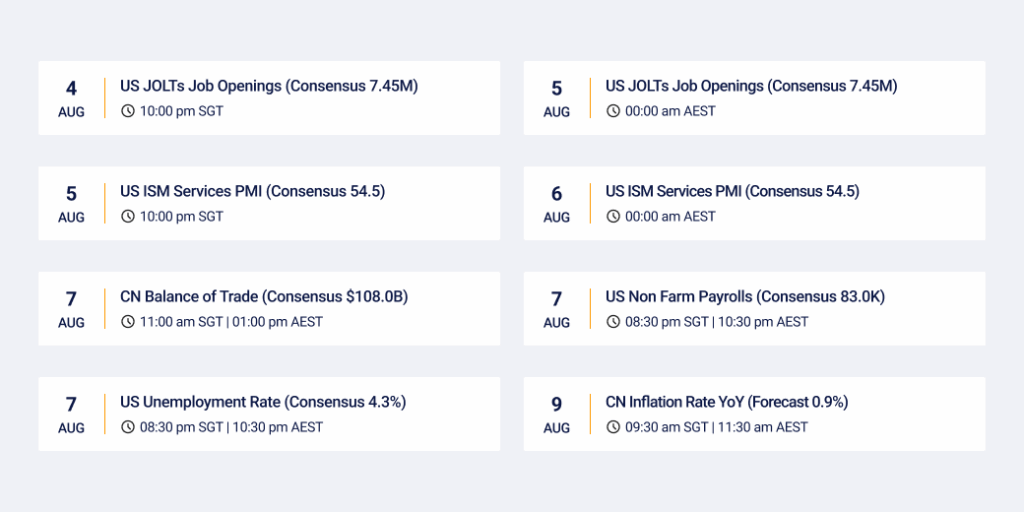
Key economic calendar events
In headlines
Hardware wallets drained of Bitcoin
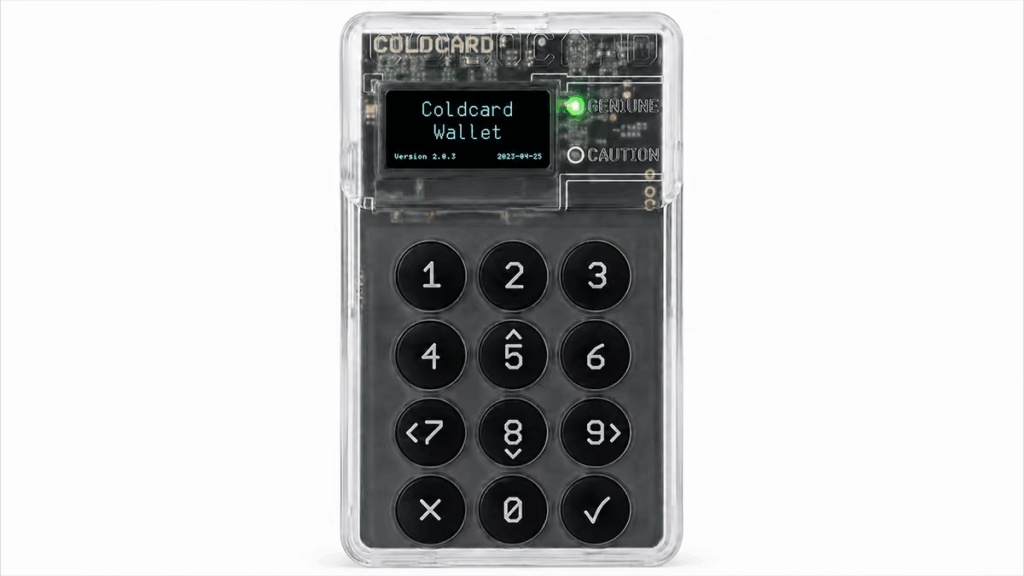
The unthinkable happened this week when more than US$100 million in Bitcoin held in Coldcard hardware wallets was stolen. The wallets reportedly used a non-random method of devising seed phrases, enabling attackers to guess private keys and steal the Bitcoin held in those addresses. White hat hackers are now racing to drain the wallets before black hats can. Santiment reports the incident has hit sentiment hard, with just 0.58 bullish comments for every 1 negative comment, the lowest positive-to-negative ratio since it began tracking the metric.
Ether ETFs notch up fourth green week
The Australian reports that the worst-performing ETF of the past financial year was the DigitalX Bitcoin ETF, which lost 48.4%. A year earlier, it was the best-performing ETF. The US spot Bitcoin ETFs saw US$61.5 million in outflows last week, while the spot ETH ETFs notched up a fourth positive week, with US$27.4 million in inflows. Morgan Stanley has launched Ethereum and Solana ETFs with an expense ratio of 0.14% that will stake a portion of their holdings to reward investors.
July and 2026 crypto reports
July saw the lowest average monthly spot trading volume since November 2023, according to K33 Research. The report noted that CME Bitcoin futures open interest is at multi-year lows, and average daily spot turnover in July was just US$2.2 billion. A Binance Research report found that total value locked in DeFi declined by 38% in the first half of 2026, and the combined market cap of the six largest blockchains declined by 42%. Activity on general-purpose Ethereum L2S fell by 77%. However, prediction market monthly volume was a bright spot and surged 86%.
Crypto firm’s earnings reports
This week’s quarterly earnings reports were as expected for a crypto bear market. Strategy reported an US$8.22 billion net loss for the second quarter, almost all of it relating to unrealised losses on its Bitcoin holdings. Over the past week, it sold another 1,637 BTC. Coinbase reported its third quarterly loss in a row, losing US$359 million. More than US$200M of that was a write-down on its crypto reserves. While the exchange’s transaction revenue fell 21%, its market share actually grew to 10.3%. Robinhood’s earnings per share grew to 62 cents, outpacing estimates of 44 cents. It posted revenue of US$1.31 billion for the quarter, up 32% from a year earlier. USDT issuer Tether reported a net operating profit of US$1.5 billion. However, various analysts pointed towards its reserves, which halved in value to US$4.11 billion.
Clarity Act stalls
With just four days before the August recess, a Senate vote still hasn’t been scheduled for the Clarity Act. The White House is yet to respond to a bipartisan crypto ethics counter proposal, which would enable state attorneys general to sue the Department of Justice if it fails to enforce the laws properly. There’s talk of extending the session to pass the unrelated Save America Act, but multiple issues with Clarity are still unresolved. Some Republican senators are wavering in support following lobbying from banks over the stablecoin yield issue, while law enforcement groups are divided over the BRCA, which provides protections for blockchain developers… or money launderers, depending on your perspective.
Opposition to Trump could sink Clarity
President Trump’s US$1.4 billion in crypto profits last year and his decision to sell early access to market-moving posts on Truth Social are shaping up as major political obstacles to passing crypto market-structure legislation. Some Democrats reportedly fear that passing a crypto bill will undercut their messaging on Trump’s alleged corruption. Senate Minority Leader Chuck Schumer has introduced a new bill to create an Anti-Corruption Bureau that targets the President. If Clarity doesn’t pass, the SEC has vowed to introduce its own crypto rules. “We are ready, willing and able to come out with rules that address the same issues in Clarity and in other aspects of the crypto market,” said chair Paul Atkins. “But ultimately, we need the certainty of a statute that will help future-proof so that we have clear direction and to go for,” he added.
Singapore crypto news
Bloomberg reports that Falcon X has cut 10% of its global workforce, including half of its Singapore-based staff. The company will reportedly withdraw its license application to the Monetary Authority of Singapore and refocus local operations on crypto derivatives trading. HashKey Holdings’ Singapore subsidiary has entered a framework agreement to potentially acquire APEX, which is one of just three firms to hold both an exchange and clearing house license from MAS.
South Korea’s crypto tax starts in January
South Korea’s government has vowed to start taxing crypto gains at a rate of up to 22% on January 1, 2027, despite having postponed the measure three times previously. However, an opposition bill to scrap the tax was taken up by the relevant committee on July 29. In other news, there have been net stablecoin outflows from Korean exchanges each month for the past 18 months. The country’s second-largest exchange, Bithumb, has announced it will hold an IPO in 2028.
Until next week, happy trading.