In markets
President Trump’s dramatic reality series moves so fast that last week’s crisis over Greenland seems a distant memory. Trump reversed his threatened tariffs on a variety of European countries after reaching a deal, but the resulting breakdown in trust is set to upend international relations in unpredictable ways. The market mayhem continued with Trump subsequently floating 100% tariffs on Canada over a free trade deal with China that Canada says doesn’t exist. Meanwhile, the controversial ICE shootings in Minneapolis have seen Democrats vow to oppose further ICE and DHS funding, which has increased the odds of a government shutdown at the end of the week to 76%. The last shutdown saw Bitcoin draw down by around 25%. The US dollar is losing steam, and the Federal Reserve and the Japanese government are both reportedly considering intervening to support the Japanese yen.
There’s also the potential for a US strike on Iran. Amid the global turmoil, gold has surged above A$7,234/US$5,000 while the stablecoin market cap has declined by A$3.24B/US$2.24B as money leaves crypto. As a result, Bitcoin’s safe-haven narrative has taken a beating. Ark Invest’s Cathie Wood blames the fallout from the October 10 flash crash for the price decline, but says it’s now over and that we’ll be “on our way soon.” Bitcoin may also be heading for four consecutive red months in a row, a pattern that has historically marked the cycle low.
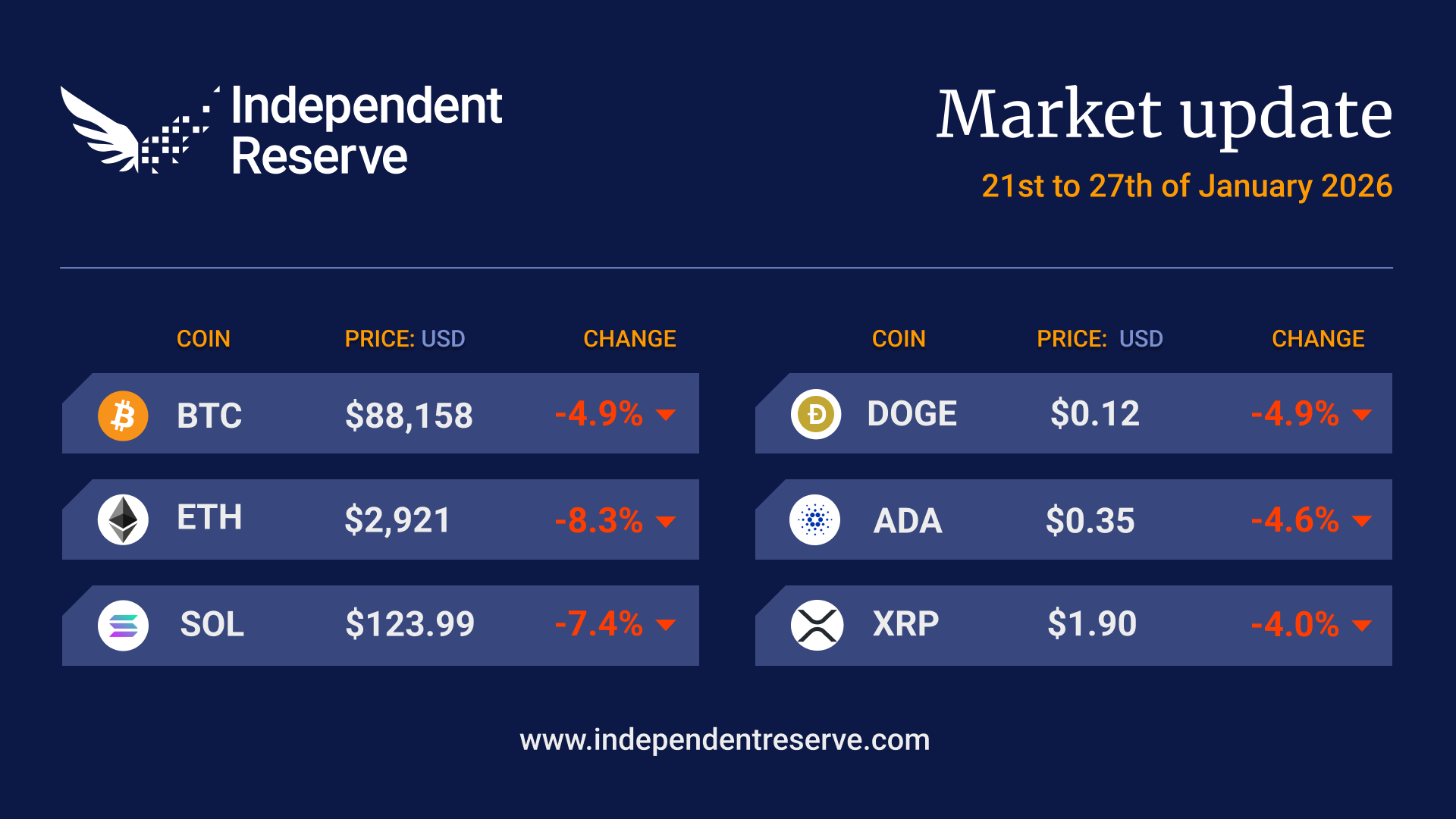
Bitcoin and Ethereum have shown signs of a bounce in the past 24 hours, but Bitcoin still finishes the week down 4.9% to trade around A$127,596 (US$88,158) while Ethereum fell 8.3% to trade around $A4,228 (US$2,921). XRP, which has just partnered with Riyadh Bank to test payments, custody and tokenisation in Saudi Arabia, was down 4%. Solana lost 7.4%, Dogecoin (-4.9%) and Cardano (-4.6%). The Crypto Fear and Greed Index is at 29.
From the OTC desk
The weakening US dollar: Market pressures and shifts in investor sentiment
With the FOMC meeting slated for 27 and 28 January, the US dollar has come under heavy selling pressure, despite a strong likelihood (96%) that the committee will hold rates steady. The US Dollar Index (DXY) hit a high of nearly 100 on January 16, but has now fallen back to around 97 as markets dump the USD amid growing macroeconomic concerns. Gold and silver have also outperformed strongly, reinforcing signs of a shift in global sentiment away from the US dollar.
However, these dynamics have yet to benefit cryptocurrency markets, where capital has rotated out of digital assets and into precious metals. Even on decentralised finance exchanges such as Hyperliquid, open interest in commodity futures trading has increased significantly, reaching 790 million USD. There is further pressure on the USD in Asia as the dollar weakens against the yen, with markets perceiving increased intervention risk from Japan.
OTC desk activity
- The desk saw two-way flow with opportunistic dip buyers matching against sellers in an uncertain macroeconomic environment
- More sell-flows on the stablecoins side
Key Economic Calendar Events (AEDT)
- Thursday, Jan 29 2026 – 06:00 AM – US Fed Interest Rate Decision (Consensus 3.75%)
- Thursday, Jan 29 2026 – 04:00 PM – JP Consumer Confidence (Consensus 38)
- Friday, Jan 30 2026 – 10:30 AM – JP Unemployment Rate (Consensus 2.6%)
- Friday, Jan 30 2026 – 09:00 PM – EA GDP YoY Growth Rate (1.2%)
- Tuesday, Feb 03 2026 – 02:30 PM – AU RBA Interest Rate Decision (Consensus 3.6%)
In headlines
CLARITY chances unclear
The chances of a deal to get the CLARITY crypto market structure bill through appear to be receding. The Senate Banking Committee (which looks after the SEC) has delayed further consideration of the bill until late February or early March. The Agriculture Committee (which looks after the CFTC) will hold a markup on its version of the bill on Thursday. While its draft legislation was released without Democratic backing, sources told The Block that Democrats are “serious” about reaching an agreement. They have filed amendments to ban elected officials from profiting from crypto and to delay the bill until the CFTC has a complete set of commissioners. Even if it gets support this week, many are worried the looming shutdown could kill momentum, which may never recover for partisan political reasons.
Banks are opposed
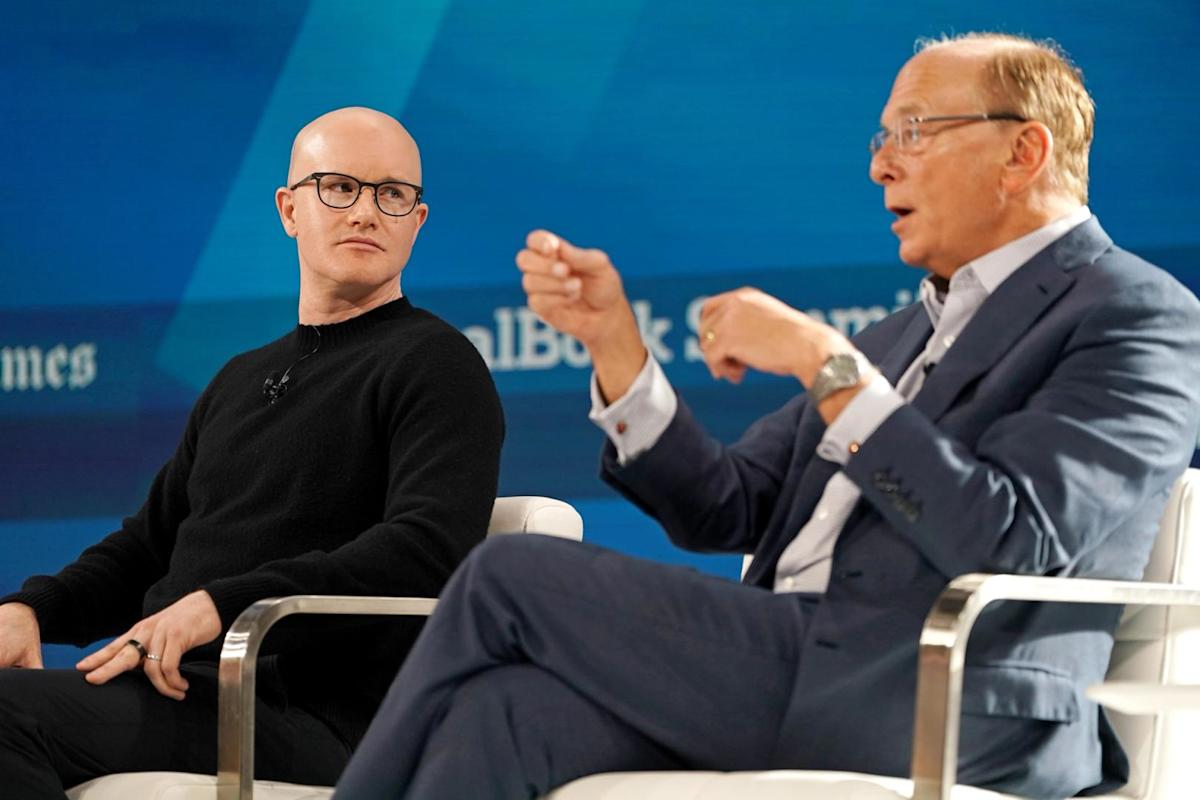
One reason the crypto market structure bill is so hard to get across the line is opposition from banks, which fear competition. The American Bankers Association has made cracking down on stablecoin yields as one of its top priorities for 2026. Last week, it said it will campaign to “stop payment stablecoins from becoming deposit substitutes that slash community bank lending by prohibiting paying interest, yield or rewards regardless of the platform.” Prohibitions on yield were the primary reason Coinbase pulled its support for the bill. CEO Brian Armstrong says he spoke with an executive from a top ten global bank who told him they view the threat from crypto as “existential”.
Crypto ETF outflows
The Bitcoin ETFs have seen their largest weekly outflows since February 2025, with US$1.33 billion (A$1.92B) departing. It was only a four-day workweek in the US as well, since Monday was Martin Luther King Jr. Day. The Ethereum ETFs lost US$611 million (A$884M) over the week.
Industry gets serious about quantum risks
In the future, quantum computers will be able to crack the encryption on about 6 million Bitcoins whose public keys are exposed, and pretty much all of Ethereum, Solana, and other coins. The median prediction for this to occur is 2040, but ETH cofounder Vitalik Buterin says there’s a 20% chance it could happen as early as 2030. But quantum is already having an impact, with Jefferies strategist Christoper Wood cutting his Bitcoin allocation to zero based on quantum fears. Preparations are now ramping up in earnest. Solana hired Project 11 to audit the blockchain for quantum risks in December. Over the weekend, Ethereum announced the formation of a Post Quantum Team to make its Lean Ethereum overhaul quantum-resistant.
Bitcoin is easier to fix from a purely technical perspective. Still, it’s the hardest community to get consensus on which upgrade to pursue — and what to do about Satoshi’s massive stack of vulnerable coins. Coinbase this week unveiled a quantum computing and blockchain advisory board stacked with experts from Stanford, Ethereum and EigenLayer to research and agitate for change.

Asia crypto news
Japan’s Financial Services Agency has indicated it could approve the first crypto ETFs by 2028, according to Nikkei Asia. The Thailand SEC has released a three-year capital markets plan, which includes a regulatory framework for crypto ETFs, measures to curb crypto scams and support for tokenisation. Vietnam has begun accepting applications for crypto platform licenses as its five-year pilot program for crypto markets gets underway. The Law on the Digital Technology Industry went into operation on Jan. 1, but it’s restrictive and bans stablecoins and security-backed tokens. Hong Kong has indicated its first stablecoin licenses will be issued this quarter.
Ethereum L1 gets popular, L2s get fast
Ethereum mainnet now outranks all of the leading L2s in terms of daily active addresses. The chain has also seen record daily transaction volumes recently, though some of the increase has been driven by address-poisoning attacks, which are now much more affordable due to low fees and higher TPS. The stress test of the new Ethereum L2, MegaETH, has pushed the Ethereum ecosystem to a new all-time high of 58,785 TPS.
Crypto strategies change
Bloomberg Intelligence’s Mike McGlone has become a Bitcoin bear, arguing that investors should “sell the rallies” across 2026. He believes Bitcoin is a crowded and speculative trade that is far too correlated with equities and vulnerable to macro forces. Meanwhile, Shark Tank star Kevin O’Leary is giving up on Solana and other altcoins. He has sold 27 “poo poo” altcoins from his portfolio, saying they are highly correlated with Bitcoin and Ethereum and don’t offer any additional alpha. His crypto portfolio going forward will be two-thirds Bitcoin and one-third Ethereum.
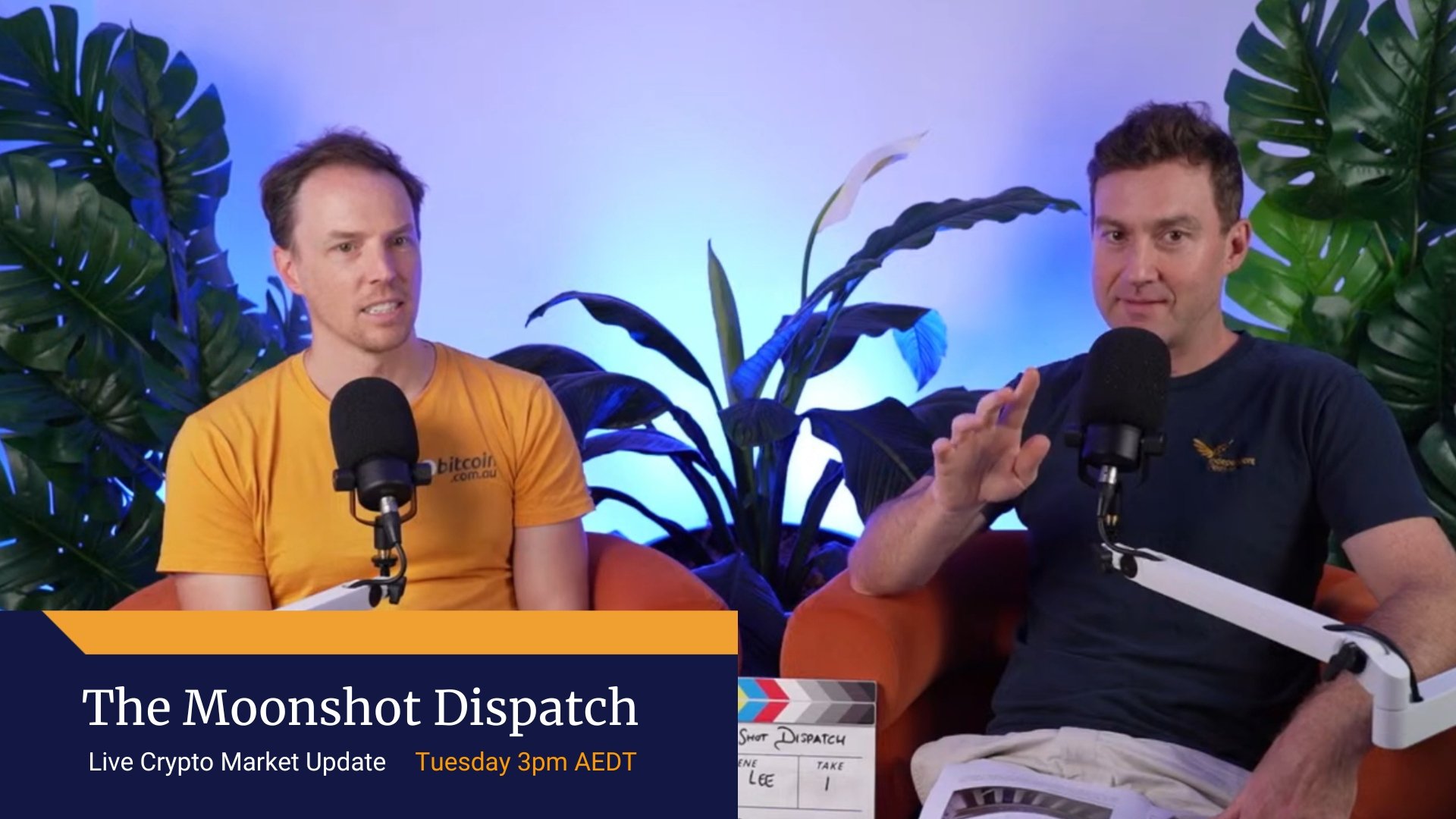
The Moonshot Dispatch
Join us every Tuesday at 3 pm (AEDT) as we cover the latest crypto news, price movements and all the Bitcoin banter you may have missed. Tune in weekly on Twitter/X, YouTube, & TikTok.
Until next week, happy trading!